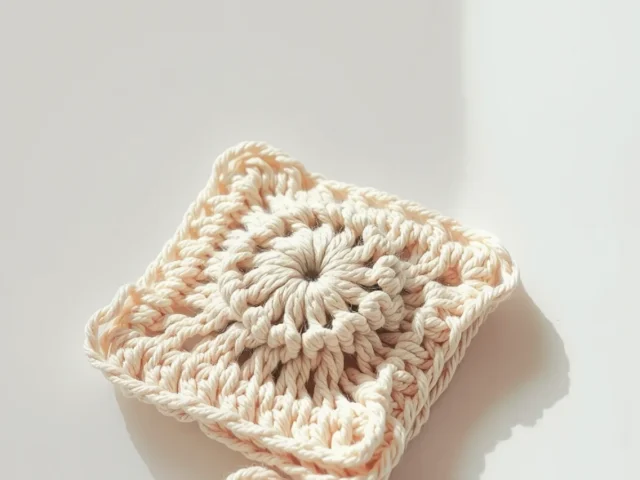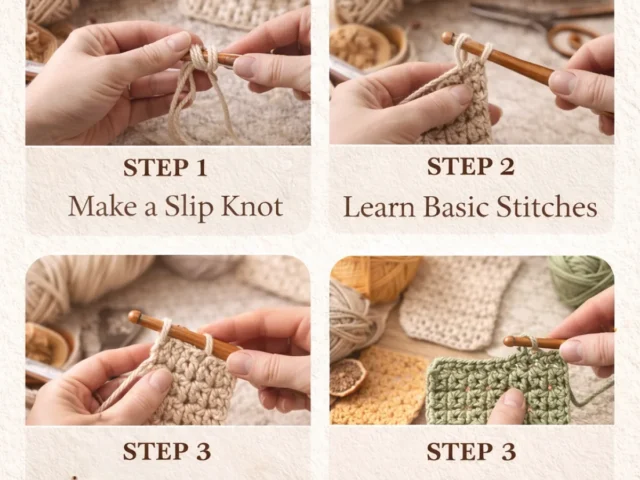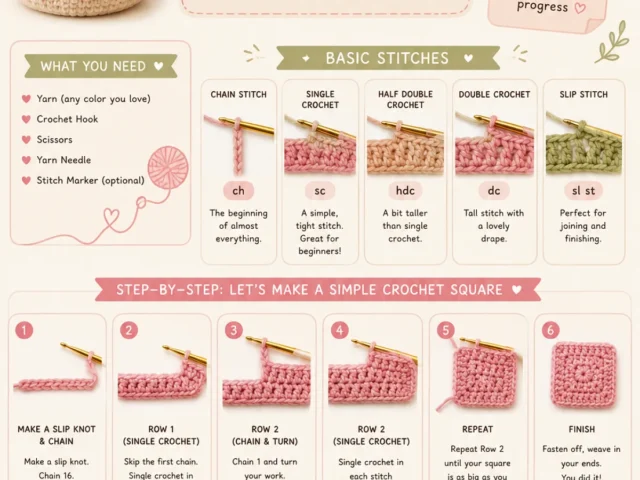
Crochet Griddle Stitch: Step-by-Step Tutorial
Learn the griddle stitch, a flat, reversible pattern made of single and double crochet, perfect for washcloths and blankets.
The griddle stitch is one of the easiest textured crochet patterns you can learn, and it only uses two basic stitches.
If you can single crochet and double crochet, you can make the griddle stitch. It's that simple. The pattern is just one single crochet, one double crochet, repeated across the row. On the next row, you do the opposite: double crochet into the single crochet, and single crochet into the double crochet.
This stitch is great for washcloths, dishcloths, scarves, and baby blankets. It lies flat, doesn't curl, and looks the same on both sides. Once you get the rhythm, you can work without looking at your hands.
The griddle stitch alternates single crochet and double crochet in the same row, then reverses them in the next row. This creates a flat, dense fabric with a subtle checkerboard texture. You'll need to know how to chain, single crochet, and double crochet.

What you need
Yarn
Worsted-weight cotton for washcloths, or any soft yarn for blankets. About 100 yards for a washcloth.
Crochet hook
Size recommended on the yarn label, usually 5.0 mm for worsted weight.
Stitch marker
Optional but helpful for marking the first stitch of each row.
Scissors
For cutting yarn.
Yarn needle
For weaving in ends.
What You Need
You only need basic supplies: yarn and a hook that matches it. The yarn label will tell you the right hook size. For a washcloth, use worsted-weight cotton yarn and a 5.0 mm hook. For a blanket, any soft yarn works.
A stitch marker can help you keep track of the first stitch in each row, especially when you're starting out. You'll also need scissors to weave in ends.
Cotton yarn is best for washcloths because it's absorbent and gets softer with washing. Acrylic is fine for blankets.
Understanding the Pattern
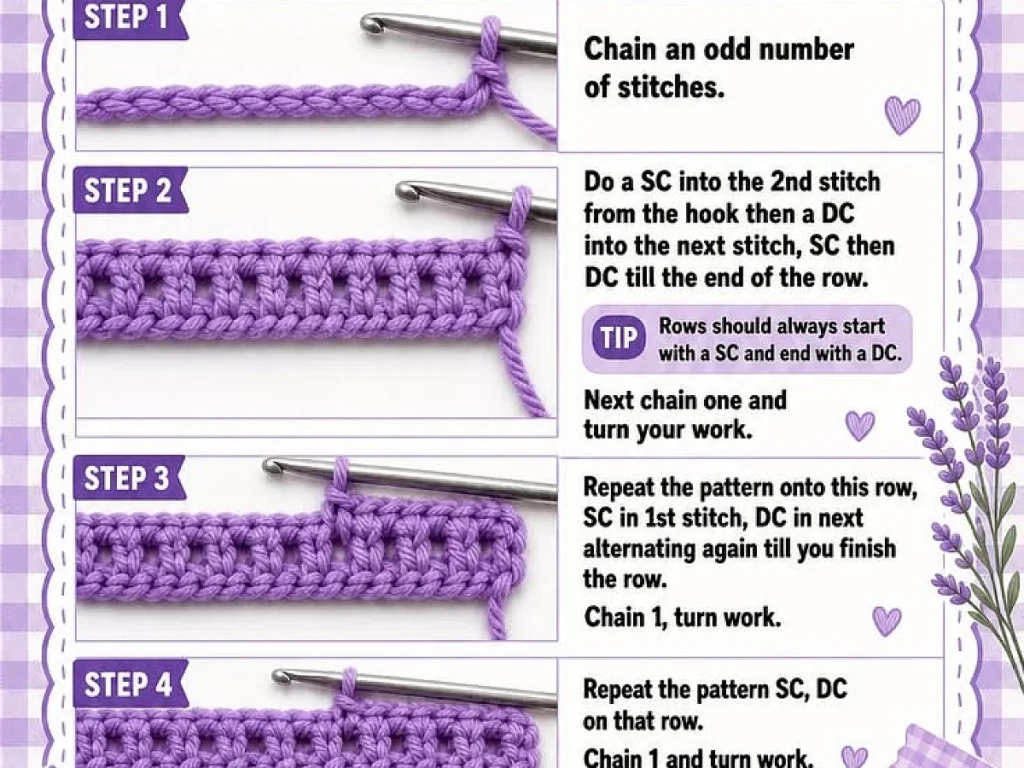
The griddle stitch is a two-row repeat. Row 1: single crochet in the first stitch, double crochet in the next, repeat across. Row 2: chain 1, turn, then double crochet in the first stitch (which was a single crochet from the row below), single crochet in the next (which was a double crochet), repeat across.
The key is that each double crochet sits on top of a single crochet, and vice versa. That's what creates the checkerboard look. The fabric is dense, so it works up slowly but is very sturdy.
Remember: the chain 1 at the start of each row does not count as a stitch. Work the first stitch into the same stitch as the chain.
Step-by-Step Instructions
Here's how to work the griddle stitch from the beginning.
Work a foundation chain of an even number of stitches. For a washcloth, that's about 30 chains. Then follow these steps.
Common Mistakes and Fixes
The most common mistake is losing count and doing two single crochets or two double crochets in a row. If your texture starts looking like stripes instead of a checkerboard, you've made a mistake. Count your stitches at the end of each row to catch it early.
Another issue is the edges curling. This usually happens if your tension is too tight or too loose. Try adjusting your hook size: go up a size if the fabric is stiff, down if it's loose and holey.
If you drop a stitch, don't panic. Use a crochet hook to pick it up and work it back to the top. It's easier than ripping out the whole row.
How to Finish Off
When your piece is the size you want, cut the yarn leaving a 6-inch tail. Pull the tail through the loop on your hook to fasten off. Weave in the ends with a yarn needle.
Blocking is optional. For cotton, a gentle wash and laying flat to dry will even out the stitches.
Weave ends in on the wrong side, going back and forth through the same stitches to hide them securely.
Step
Chain an even number
Make a slip knot and chain an even number of stitches. For a washcloth, try 30 chains. Place a marker on the 30th chain to help you find it later.
Row 1: single and double crochet
Single crochet in the second chain from the hook. Double crochet in the next chain. Repeat single crochet, double crochet across the row. You should end with a single crochet in the last chain. Count your stitches to make sure you have the right number.
Chain 1 and turn
Chain 1 (this does not count as a stitch), turn your work. You'll now work back across the row.
Row 2: reverse the order
Double crochet in the first stitch (which is a single crochet from the row below). Single crochet in the next stitch (which is a double crochet). Repeat across. End with a double crochet in the last stitch.
Repeat rows 2 and 3
Continue alternating the two rows. Row 2 becomes your pattern row, and row 3 is the same as row 2 but starting with single crochet. Keep going until your piece is the desired length.
Ways to change it
Use a different yarn weight
Use bulky yarn and a larger hook for a thicker, cozier blanket. Use fingering weight for a delicate lace-like fabric.
Stripes
Change colors every two rows to create horizontal stripes. The texture still shows.
Border
Add a simple single crochet border around the edges to give a finished look, especially for washcloths.
Work in the round
The griddle stitch can be worked in the round to make circular coasters or placemats. Just remember to alternate the stitches each round.
Make a scarf
Chain a longer foundation to make a scarf. The dense fabric is warm and lies flat.
The short version
- The griddle stitch uses only single crochet and double crochet.
- It creates a flat, dense fabric that doesn't curl.
- The pattern is a two-row repeat.
- Always start with an even number of chains.
- The chain 1 at the start of each row does not count as a stitch.
- Count your stitches to avoid mistakes.
- It works well for washcloths, blankets, and scarves.
Questions people ask
What is the griddle stitch?
The griddle stitch is a crochet pattern that alternates single crochet and double crochet stitches in the same row, then reverses them in the next row. This creates a flat, textured fabric with a checkerboard pattern.
Is the griddle stitch reversible?
Yes, the griddle stitch looks the same on both sides. That makes it great for items like scarves and blankets where both sides are visible.
How many chains do I need for a griddle stitch washcloth?
For a standard washcloth, chain about 30 stitches. This will give you a square about 8 inches wide with worsted-weight yarn and a 5.0 mm hook. Adjust the number to change the width.
Why does my griddle stitch look like stripes?
If your fabric looks like stripes instead of a checkerboard, you're probably not alternating the stitches correctly. Make sure you work a double crochet into each single crochet from the previous row, and vice versa.
Can I use the griddle stitch for a blanket?
Yes, the griddle stitch makes a dense, warm fabric that's perfect for baby blankets or lap blankets. It takes more yarn than a lacy stitch, but the result is sturdy and flat.
Try the griddle stitch on a simple washcloth
Now you know the griddle stitch. Grab some cotton yarn and a hook, and make a washcloth to practice. Once you get the rhythm, you'll see how easy it is. Then you can try it on bigger projects like scarves and blankets.