Crochet Quirky Crochet: Playful Patterns That Break the Rules
Learn how to make crochet pieces that are delightfully odd, with tips on texture, color, and shaping.
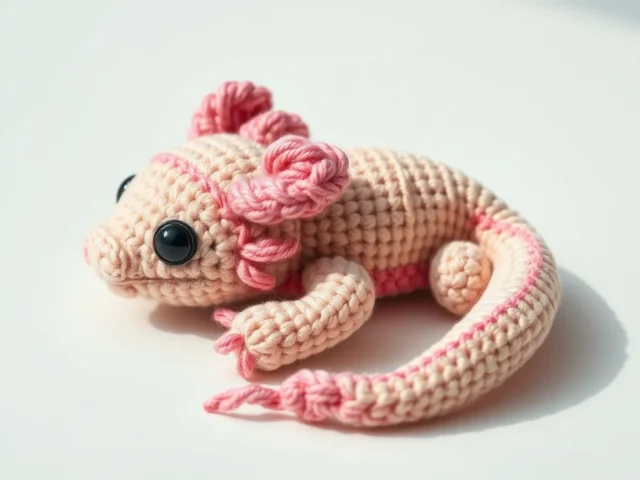
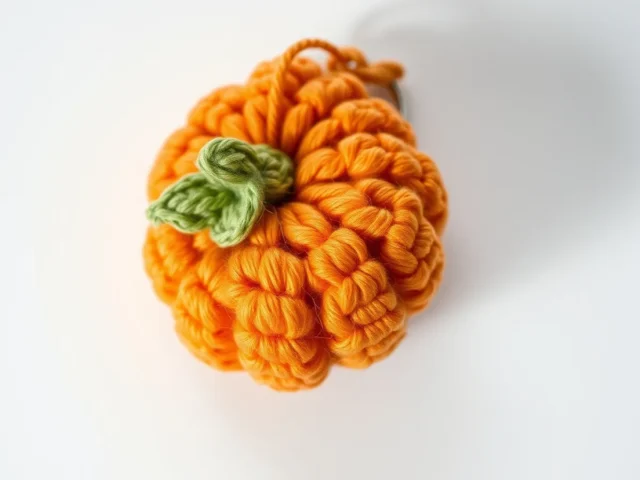
A crocheted banana with a face is not a mistake, it is a choice.
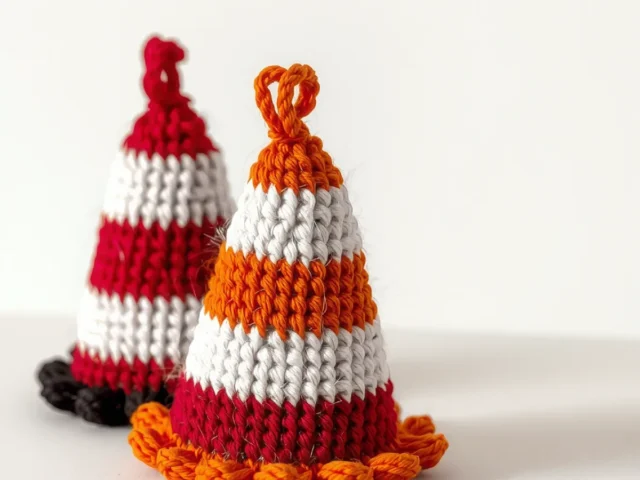
You have seen the same granny squares and beanies a hundred times. Quirky crochet is the opposite. It is the wonky monster, the fruit with a personality, the scarf that is also a snake. The best part? You do not need a special pattern. You just need a few tricks and the nerve to be odd.
This guide walks you through the why and how of quirky crochet. You will learn which yarns help, how to shape without a pattern, and what to do when things go a little too weird. By the end, you will be able to look at a pile of basic stitches and see a creature.
Quirky crochet is about embracing the unexpected: odd shapes, bright colors, and playful details. This guide shows you how to design your own, with tips on yarn, hooks, and simple shaping tricks.
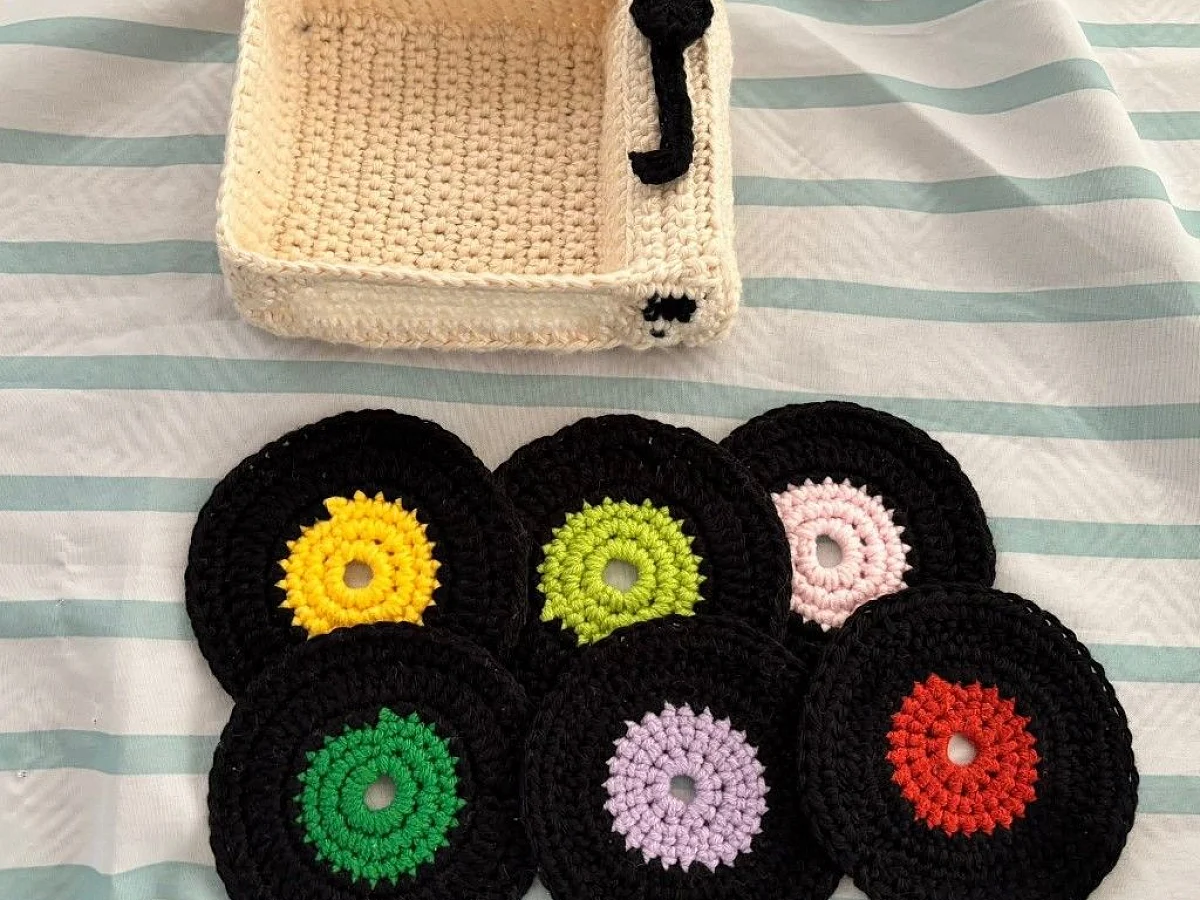
What you need
Yarn
Worsted weight acrylic or cotton in colors you love. About 100-200 yards for a small creature.
Crochet hook
Size H/8 (5 mm) for worsted weight. Go up a size if your tension is tight.
Stuffing
Polyester fiberfill is cheap and easy to find. You need enough to fill the piece firmly.
Safety eyes or embroidery floss
Safety eyes are quick, but embroidery floss lets you make any expression.
Yarn needle
For sewing parts together and weaving in ends.
Scissors
Any sharp pair works.
What Makes Crochet Quirky?
Quirky crochet is not about perfection. It is about personality. A lopsided ear or a mismatched button makes a piece feel alive. Think of it as the difference between a store-bought stuffed bear and a handmade one that looks slightly surprised.
The key is asymmetry. Real things are not perfectly symmetrical. A crooked smile, a bigger left foot, a stripe that stops early – these are the details that make people smile. You are not aiming for realism, just for character.
Start with a simple shape, like a sphere or a tube, then add details. You can always adjust as you go.
Choosing Yarn and Hook for Playful Pieces
Yarn weight changes the whole feel. Worsted weight is a good middle ground – it is thick enough to show stitches but not so bulky that details get lost. For a softer, squishy toy, try a bulky yarn with a hook one size larger than the label suggests. That looser tension makes the fabric drape and bend in friendly ways.
Color is where you can go wild. Stripes, patches, and odd color changes are all part of the charm. Do not worry about matching. A purple ear on a green head is exactly right. If you are not sure, pick a bright main color and use leftovers for the details.
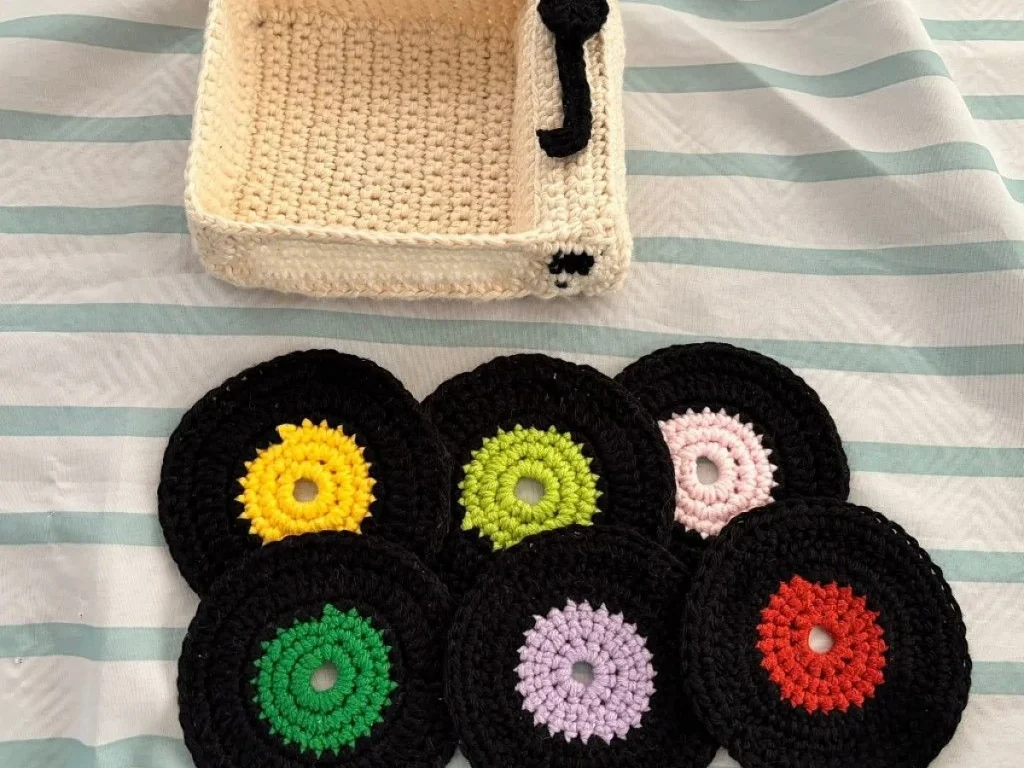
Acrylic yarn is easy to wash and comes in every color. Cotton holds its shape better for things like baskets or plant pots.
Shaping Without a Pattern: The Basics
You do not need a pattern to make a quirky piece. You just need to know how to increase and decrease. Increases make the work wider. Decreases make it narrower. By placing them unevenly, you get lumps and bumps – the start of a nose or a belly.
Work in continuous rounds for a smooth shape, or turn at the end of rows for a flat piece. For a sphere, start with 6 single crochet in a magic ring, then increase in every stitch, then every other stitch, and so on. To get a lump, increase twice in the same stitch in one spot. To get a dent, skip a stitch and work a decrease.
Count your stitches at the end of each round. It is easier to fix a wrong count than to guess later.
Adding Personality: Eyes, Ears, and Odd Details
Eyes are the fastest way to give a piece a soul. Safety eyes come in many sizes and look neat, but you can also embroider eyes with yarn or thread. A simple French knot makes a round eye, and a straight stitch makes a sleepy line. Try placing one eye higher than the other for a quizzical look.
Ears can be triangles, circles, or anything else. Make two ears that are slightly different sizes – it looks intentional and cute. For a floppy ear, sew it on at an angle. For a pointy ear, work a few rows of single crochet and then decrease sharply at the top.
Before sewing on details, pin them in place and step back. Move them around until the face looks right.
Common Stitch Errors and How to Fix Them
A common mistake is losing count in the middle of a round. If your piece starts to ripple or cup, you probably added or missed a stitch. Count your stitches and compare to the round you are on. If it is off, undo just that round and redo it – it is quicker than frogging everything.
Another issue is tight tension, which makes it hard to insert the hook. If your hands cramp, try a hook one size larger or relax your grip. And if the stuffing pokes through, you are using a yarn that is too thin or a stitch that is too loose. Use a smaller hook or a denser stitch like single crochet.
Keep a stitch marker in the first stitch of each round. It saves you from counting every time.
Finishing and Care: Making It Last
Weave in ends securely. A quick knot and a few stitches through the fabric will keep them from popping out. For toys, use a yarn needle and weave back and forth a few times. Then trim the tail close.
To wash, hand wash in cool water with a mild soap. Squeeze out water gently, never wring. Lay flat to dry. If the piece is a toy, check that safety eyes are firmly attached before giving it to a child. For a decorative piece, a gentle dusting is enough.
If a piece flops over, you can add a bit more stuffing or a wire inside for support. Just be careful with wires around children.
Step
Pick your shape
Start with a simple sphere or tube. That is the body. Make it as big or small as you like, but remember that a smaller piece works up faster.
Create the base
Use a magic ring and work single crochet in continuous rounds. Increase evenly for the first few rounds, then work even for several rounds, then decrease. Leave a long tail for sewing.
Make the details
Crochet small pieces like ears, arms, or a tail. For ears, make a triangle by starting with 4 stitches and decreasing at the edges. For arms, make a small tube and close one end.
Add the face
Sew on safety eyes or embroider them. Place them at the same height or slightly different. Add a mouth with a few stitches in a contrasting color.
Attach the parts
Use the yarn needle and the long tails to sew the ears and limbs onto the body. Stitch through both pieces several times. Knot securely and weave in the end.
Stuff and close
Stuff the body firmly before closing the last opening. Use a blunt tool like a pencil to push stuffing into corners. Then stitch the opening closed with a whip stitch.
Ways to change it
Make it a keychain
Use a smaller hook and yarn, and attach a keyring to the top. It makes a cute gift.
Add a rattle
Insert a plastic rattle inside the stuffing for a baby toy. Make sure it is securely enclosed.
Use scrap yarn
Mix and match leftover yarns for a patchwork look. It is a great way to use up scraps.
Go bigger
Use bulky yarn and a larger hook to make a cushion-sized creature. Adjust the pattern by scaling up the rounds.
Make it a plant pot
Crochet a flat bottom and sides, then place a small pot inside. Add a face to the pot for a quirky planter.
The short version
- Quirky crochet celebrates asymmetry and personality, not perfection.
- Worsted weight yarn and a 5 mm hook are a good starting point.
- You can shape without a pattern by placing increases and decreases unevenly.
- Safety eyes or embroidered details give a piece its character.
- Common errors like lost counts are easy to fix by counting and frogging one round.
- Weave in ends securely and hand wash to keep your work looking good.
- Start with a simple sphere or tube and add details to make it unique.
Questions people ask
Do I need a pattern to make quirky crochet?
No. You can start with a basic shape like a sphere or tube and add details freely. The key is to experiment with increases and decreases to create lumps and curves.
What is the best yarn for quirky crochet?
Worsted weight acrylic is easy to work with and comes in many colors. Cotton holds its shape better for items like baskets. Choose a yarn that feels good in your hands.
How do I make a crochet piece look wonky on purpose?
Make one ear bigger than the other, place eyes at different heights, or add a stripe that stops early. The trick is to be deliberate about the asymmetry.
How do I fix a crochet piece that is rippling?
Rippling usually means you added stitches. Count your stitches and compare to the pattern. Undo the last round and redo it with the correct count.
Try making your own quirky creature today
Quirky crochet is about having fun and letting your hands do the thinking. You do not need a perfect pattern or a steady hand. Just pick up your hook, choose a bright color, and see what happens. The more you play, the more your own style shows up. Stitch with ease.