Basic Crochet Stitch Video Tutorial
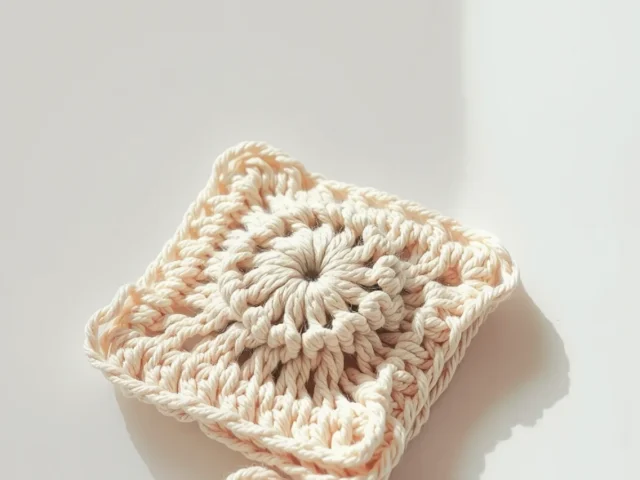
Create a smooth single‑crochet swatch by following the video.
A single chain of 12 stitches can become the foundation for countless projects.
The video runs just under five minutes and shows every hand movement clearly. You can pause and replay any part to match your pace.
All you need is a ball of worsted yarn, a size 5 mm hook, and a pair of scissors. The instructions keep the tension relaxed so the stitch feels soft and even.
This video teaches the basic single crochet stitch in a clear, step‑by‑step way. Follow the guide, and you’ll be ready to create a smooth swatch in under ten minutes.
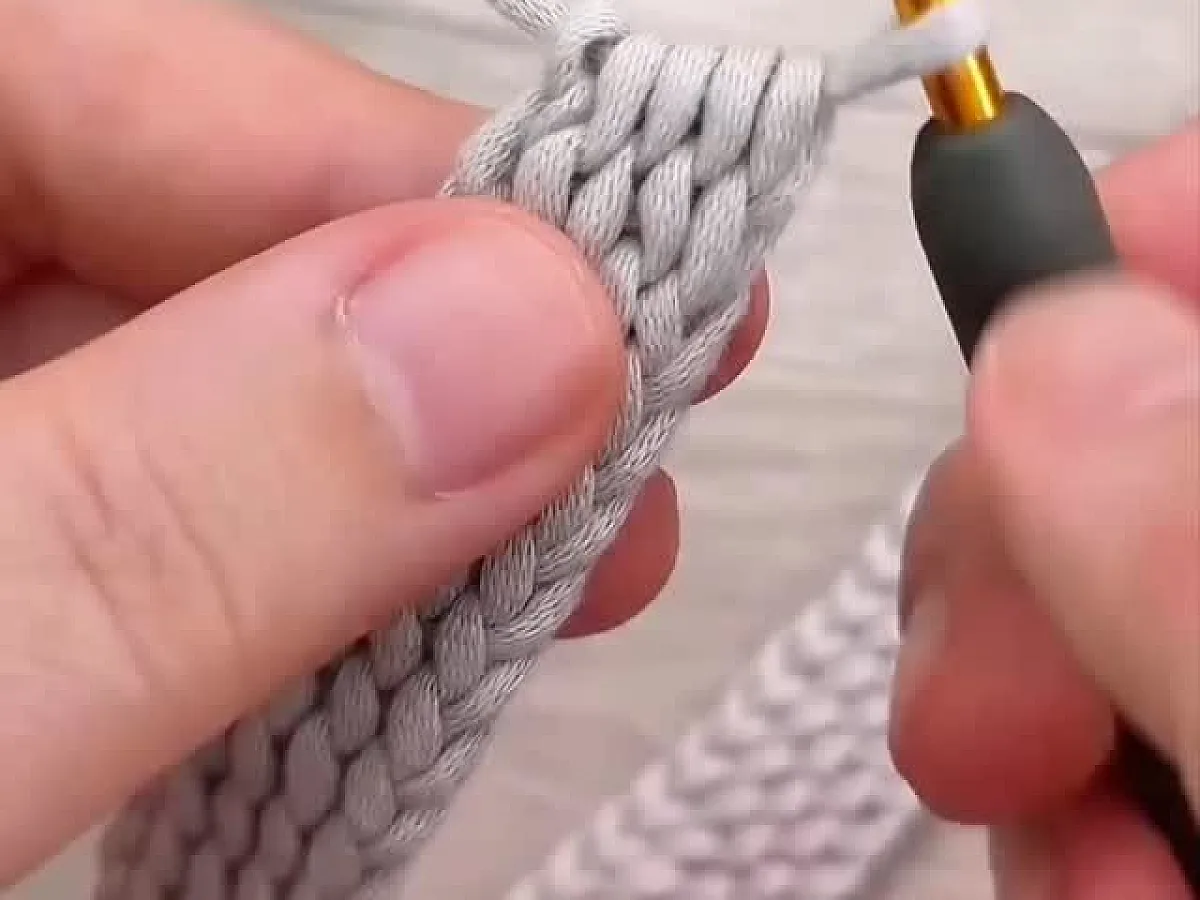
What you need
Yarn (worsted weight)
A standard acrylic or cotton yarn, about 50 g, works well and costs under $10.
Crochet hook (size 5 mm)
Metal, aluminum or bamboo hooks are fine; bamboo feels lighter for beginners.
Scissors
Any small pair will do; sharp blades make clean cuts.
Darning needle
A blunt‑tipped needle helps weave in ends without splitting the yarn.
What the video covers
The tutorial starts with a brief overview of the single crochet, then moves to a hands‑on demonstration of a 12‑stitch chain and a row of stitches. It ends with a quick check for uniformity.
Watch the first 30 seconds twice to see the hook’s entry and exit points clearly.
Gathering yarn and hook
Choose a worsted‑weight yarn; it shows the stitch shape best on camera. A size 5 mm (H) hook works for most brands, but a size 4 mm hook will tighten the stitch if you prefer a tighter fabric.
If you only have a bamboo hook, the lighter weight can make the motion smoother for beginners.
Single crochet step‑by‑step
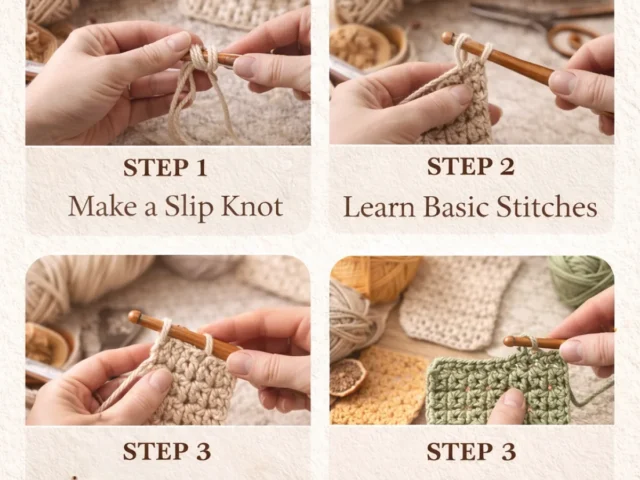
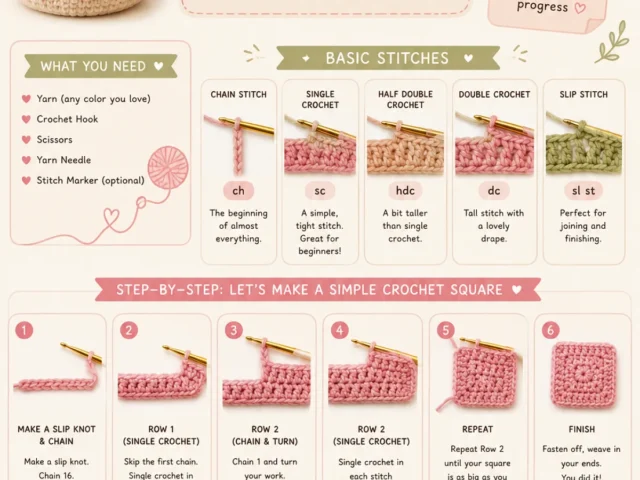
Insert the hook into the second chain from the hook, yarn over, pull through two loops, yarn over again, and pull through the remaining two loops. That completes one stitch. Continue across the chain, keeping the stitch height consistent.
- Keep the yarn taut but not pulled tight
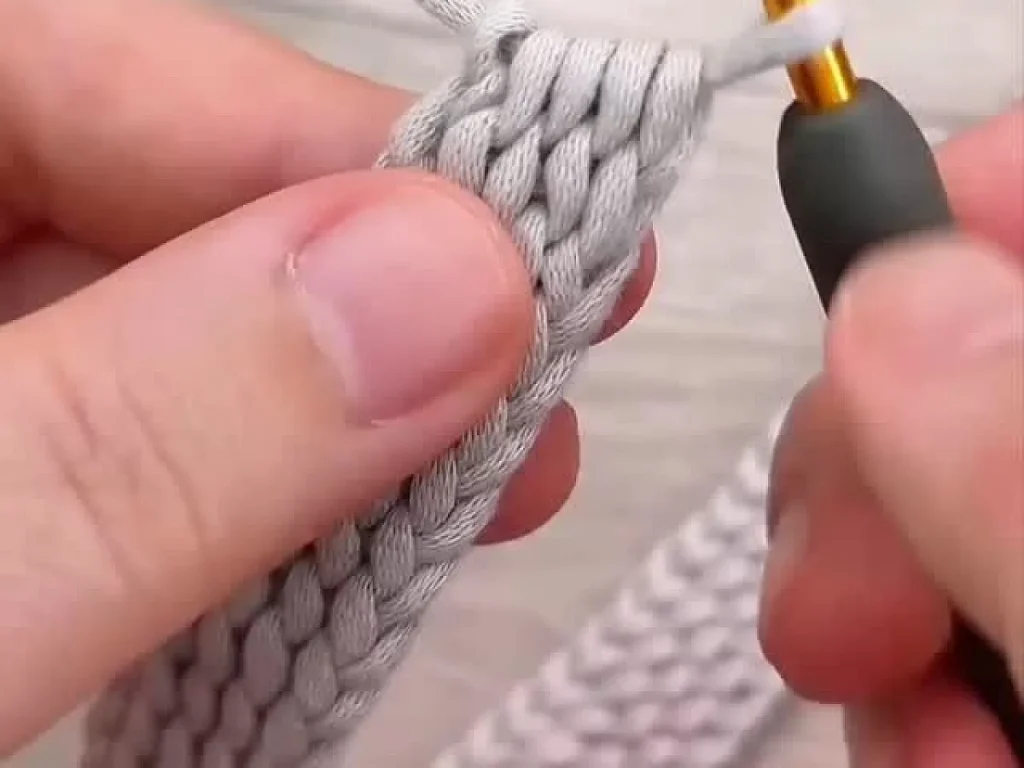
- Watch the hook’s motion from the side view
Count your stitches aloud; hearing the numbers helps you stay on track.
Common pitfalls
A common error is pulling the yarn too tightly, which makes the stitch look puckered. Another is missing the second yarn‑over, which leaves a loose gap. Both are easy to spot when the stitch looks uneven or the edge waves.
If a stitch looks too tight, gently pull the working yarn a little to release tension before moving on.
Finishing and caring
When the row is complete, bind off by cutting the yarn, leaving a six‑inch tail, and pulling it through the final loop. Gently wash the swatch in cool water, lay flat to dry, and block lightly if you want extra shape.
Use a darning needle to weave in ends, hiding them inside the fabric for a clean look.
Adapting the stitch
You can change the hook size to alter the stitch’s height, switch to a cotton yarn for a crisper edge, or try a half‑double crochet for a taller, more textured look. Each variation changes the drape and feel of the final piece.
Test a small swatch after each change to see how the fabric behaves before committing to a larger project.
Step
Watch the intro
Play the first 30 seconds and note the hand position and hook angle before you start.
Chain foundation
Create a chain of 12 stitches, keeping the tension even.
Insert hook
Insert the hook into the second chain from the hook, yarn over, pull through two loops.
Complete stitch
Yarn over again and pull through the remaining two loops to finish one single crochet.
Repeat across row
Continue the same motion until the end of the chain, counting each stitch aloud.
Check tension
Look at the edge; all stitches should be the same height without gaps.
Bind off and finish
Cut the yarn, leave a tail, pull through the last loop, and weave in ends with a darning needle.
Ways to change it
Larger hook
A size 6 mm hook creates a looser stitch, good for scarves.
Cotton yarn
Cotton gives a crisp edge and is ideal for summer tops.
Half‑double crochet
Swap the single for a half‑double to add height without learning a new stitch.
The short version
- A single chain of 12 stitches starts the basic stitch.
- Use a size 5 mm hook for standard worsted yarn.
- Keep the yarn taut but not tight to avoid puckering.
- Count each stitch aloud to maintain consistency.
- Weave in ends with a darning needle for a clean finish.
Questions people ask
Why does my stitch look uneven?
Uneven tension usually means the yarn is too tight or the hook is moving too fast. Slow down and keep the yarn relaxed.
Can I use a different yarn weight?
Yes, but change the hook size accordingly: a lighter yarn needs a smaller hook, a heavier yarn a larger hook.
Give the stitch a try in your next project
Follow the video, practice the steps, and you’ll have a neat single‑crochet swatch ready for any project. Stitch with ease.