New to crochet?
You will make your first crochet swatch, learning essential stitches and techniques.
Ready to turn a simple string into something amazing?
Crochet is a fun craft that lets you create cozy items, cute toys, and even stylish clothes. It only takes a hook, some yarn, and a few basic steps to get started.
This guide walks you through the absolute essentials. You will learn the core stitches and finish a small practice swatch. Think of it as your first step into a world of yarn.
Learning crochet starts with a few key moves: a slip knot, the chain stitch, and the trusty single crochet. You can master these in about an hour and create your very first fabric swatch.
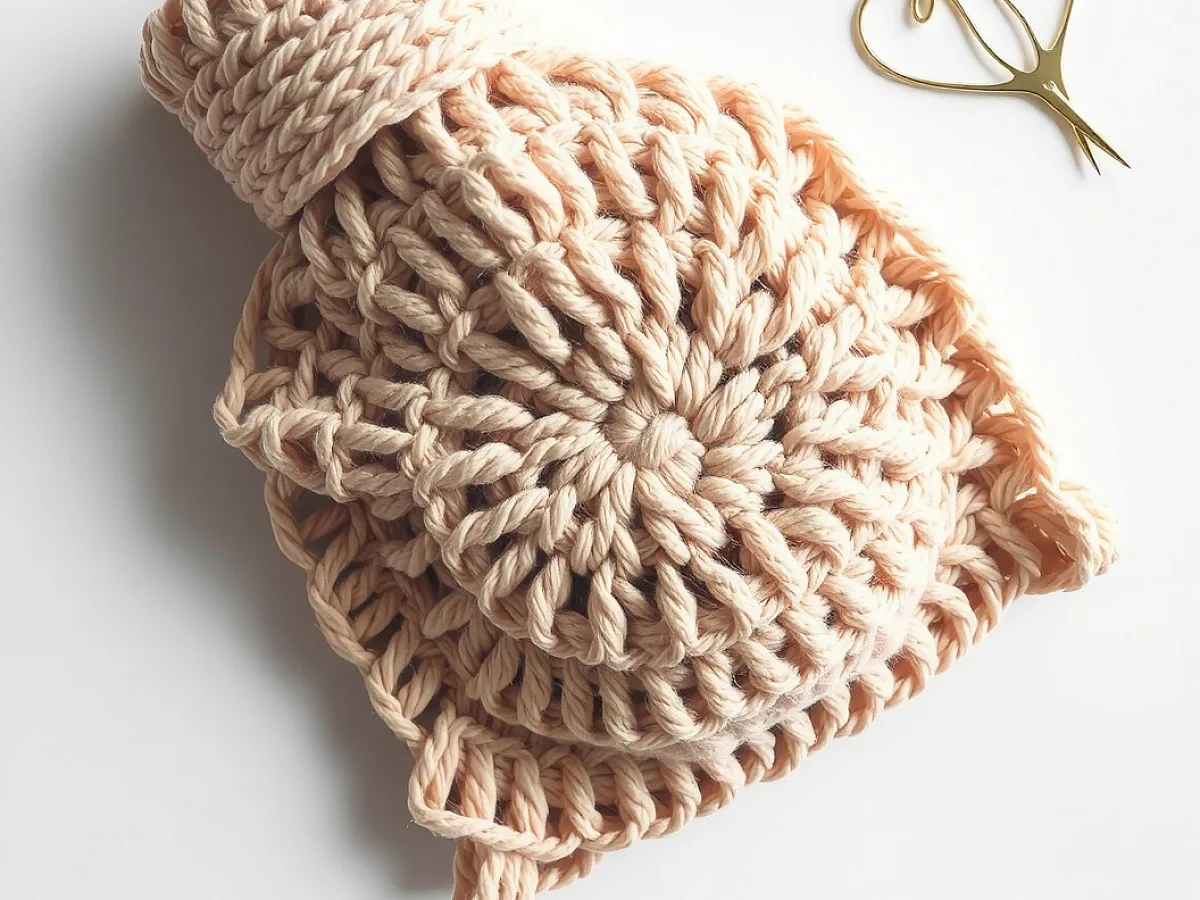
What you need
Yarn
Medium weight (worsted or DK), smooth, and a light color like white or pale blue. Avoid fuzzy or dark yarns; they hide stitches. About 50-100 grams is plenty to start.
Crochet Hook
Size H/5.0mm or I/5.5mm. Check your yarn label for a recommended hook size. An ergonomic handle can be more comfortable for beginners.
Scissors
Any sharp pair will work for cutting your yarn ends.
Yarn Needle
A blunt-tipped needle with a large eye. This is used to weave in loose yarn ends for a clean finish.
Your First Crochet Kit
You do not need much to begin. Gather these few items, and you are ready for your first stitches. Choosing the right yarn and hook makes a big difference for beginners.
Smooth, light-colored yarn helps you see your stitches clearly. Avoid fuzzy or very dark yarns at first. A medium-sized hook is easy to hold and work with.
Holding Your Hook and Yarn
Finding a comfortable grip is key. Hold your hook like you would a pencil or a knife. Experiment to see what feels natural for you.
Your non-dominant hand will manage the yarn. Drape it so it flows smoothly, giving you consistent tension. This might feel awkward at first, but it gets easier.
The Slip Knot
This is how every crochet project begins. The slip knot creates the first loop on your hook. It needs to be snug, but not so tight that it cannot slide.
Practice making a few until it feels quick and easy. This simple knot sets the foundation for your whole piece.
The Chain Stitch: Your Foundation
The chain stitch forms the base of most crochet projects. It is a series of loops linked together. This creates your starting row.
Aim for even, loose chains. If they are too tight, it will be hard to work into them later. You will make about 15 chains for your practice swatch.
The Single Crochet: Making Fabric
The single crochet (sc) is one of the most basic and versatile stitches. It creates a dense, sturdy fabric. This stitch is your building block.
You will work across your chain, making one single crochet in each stitch. This builds your first row of actual fabric.
Turning and Building Rows
Once you finish a row, you need to turn your work to start the next one. A turning chain helps keep your edges straight and even.
You will make a chain stitch, then flip your piece over. This prepares your work for the next row of single crochets. Keep counting your stitches to stay on track.
Finishing Your Swatch
When your practice swatch is the size you like, it is time to finish off. This secures your stitches so your work does not unravel.
You will cut the yarn, leaving a tail, and pull it through the last loop. Then, you will weave in any loose ends for a neat look.
Common Beginner Hiccups
Everyone makes mistakes when starting out. Do not get discouraged. Wobbly edges often mean you are missing the last stitch or adding extra ones.
If your fabric is too stiff or too loose, your tension might be off. Try adjusting how tightly you hold the yarn. Sometimes, changing your hook size helps too.
Step
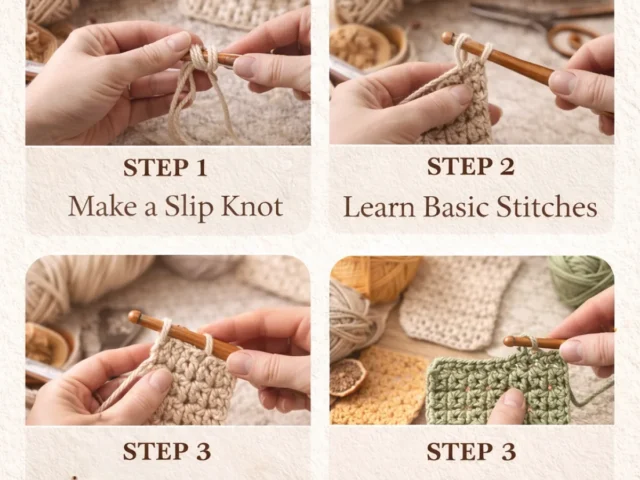
Grab Your Yarn and Hook
Hold your hook like a pencil or a knife, whichever feels best. Drape the yarn over your non-dominant hand, letting it flow freely. Speed hack: Don't worry about a perfect grip right away. Just hold it so it feels natural and comfortable.
Make a Slip Knot
Form a loop on your yarn, then pull a second loop through the first. Place this loop onto your hook. Pull the ends gently to tighten it, but not too much. Speed hack: Practice this a few times without the hook until it feels quick and easy.
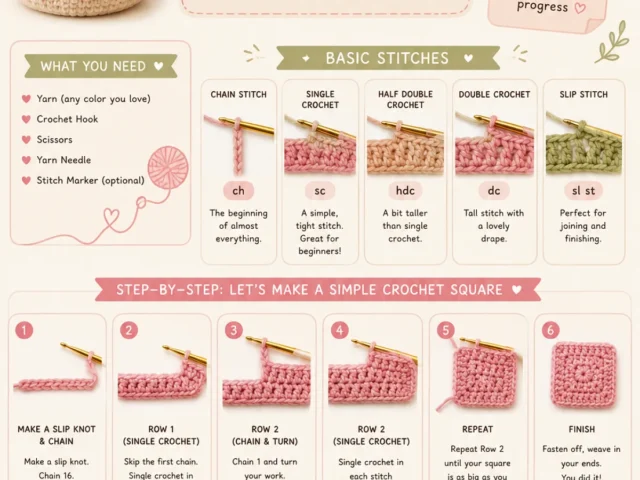
Chain Stitch (ch)
Yarn over your hook (wrap yarn from back to front). Pull the hook through the loop on your hook. This makes one chain. Repeat for about 15 chains. Speed hack: Keep your chains loose enough to work into later. If they're tight, try a larger hook size.
First Row of Single Crochet (sc)
Skip the first chain from your hook. Insert your hook into the second chain. Yarn over, pull up a loop (you now have two loops on your hook). Yarn over, pull through both loops. That's one single crochet. Speed hack: Mark your first stitch with a clip if you lose track of where the row starts. This helps keep your edges straight.
Complete the First Row
Work one single crochet in each chain across the row. You should have 14 single crochet stitches. Count them to be sure. Speed hack: Counting every stitch helps you avoid adding or losing stitches. It makes your fabric even.
Turn Your Work
At the end of the row, chain 1. This is your turning chain. Then, flip your work over so the back is now facing you, ready for the next row. Speed hack: Always chain 1 before turning for single crochet. This keeps your rows level.
Work Subsequent Rows
Insert your hook under both loops of the first single crochet from the previous row. Work a single crochet. Continue across the row, making sure to work into the very last stitch. You should still have 14 stitches. Speed hack: If your edges are wobbly, you might be missing the last stitch. Aim for the top of the actual stitch.
Finish Off
When your swatch is the size you want (maybe 5-7 rows), cut your yarn, leaving a 6-inch tail. Yarn over one last time and pull the tail all the way through the loop on your hook. Pull tight to secure. Speed hack: Weave in your ends with a yarn needle for a neat, finished look.
Ways to change it
Color Pop
Use a different yarn color every few rows for a striped swatch. This lets you practice how to change colors neatly.
Texture Play
Once you are comfortable, try a slightly different yarn, like a cotton blend. See how it feels to work with different fibers.
Bigger Swatch
Make your starting chain longer, say 25 stitches, to create a larger practice piece. This helps build your stamina.
Gift Coaster
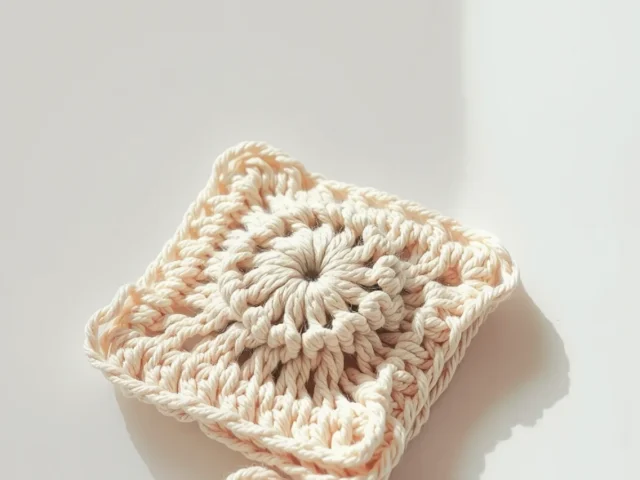
Once you have a nice square, trim the ends and use it as a coaster. It's a simple, useful first item you can keep or share!
The short version
- A slip knot is the start of almost every crochet project.
- The chain stitch forms your base row for the project.
- Single crochet creates a dense, sturdy fabric structure.
- Counting your stitches at the end of each row prevents mistakes.
- The turning chain helps keep your edges straight and even.
- Practice is key to getting even, consistent stitches over time.
- Using a yarn needle to weave in ends gives a neat finish.
Questions people ask
How do I choose the right hook size?
Check the yarn label for a recommended hook size. If your stitches feel too tight, go up a hook size. If they are too loose, go down a size to get a better fabric.
Why are my edges wobbly?
Wobbly edges often happen when you miss the last stitch of the row or accidentally crochet into the turning chain. Always count your stitches at the end of each row to keep them even.
What does 'yarn over' mean?
'Yarn over' means wrapping the yarn from the back, over the top, and to the front of your hook. This prepares the yarn to be pulled through loops to form a new stitch.
Time to get hooking
You have just made your first piece of fabric! Keep practicing these basic stitches, and soon you will be ready for bigger projects. Keep it quick and cute!