Miniature Crochet: How to Make Tiny Projects That Look Great
Learn the simple tricks to crochet tiny flowers, animals, and decorations that hold their shape.
Miniature crochet uses the same stitches as regular crochet, but the results look completely different because the hook is so small.
Miniature crochet is simply crochet worked with thin thread and a small hook, usually 1.5 mm or less, to create tiny items like flowers, animals, and dollhouse accessories. The key is to keep your tension even and use a hook that matches your thread, so the stitches stay neat and the piece holds its shape.
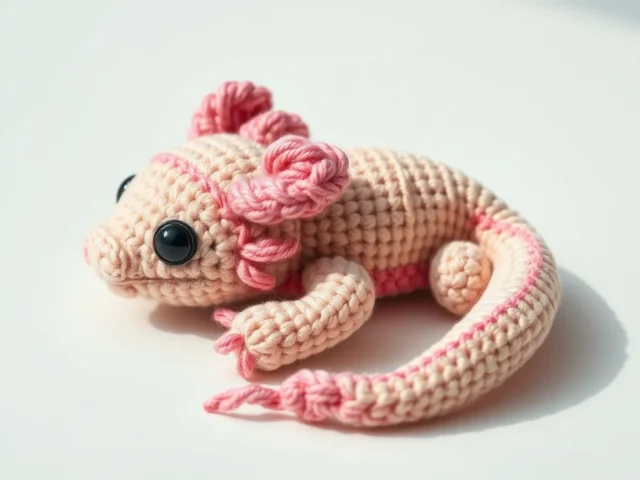
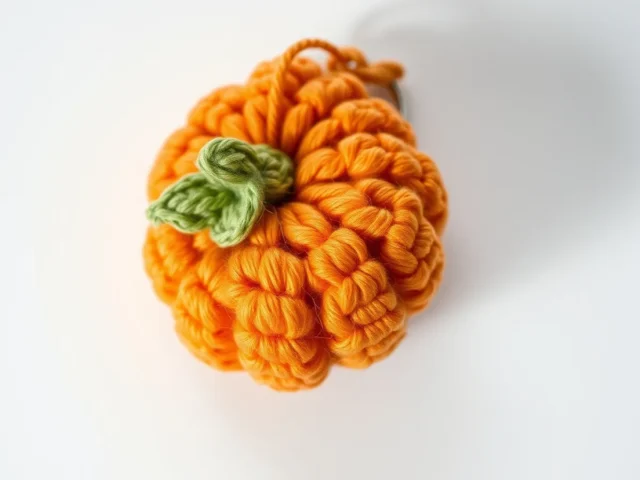
You can make a flower the size of a coin, a tiny bear that sits on your thumb, or a set of miniature vegetables for a dollhouse. The techniques are the same as regular crochet, but the materials are different, and small changes in tension become very visible.
Miniature crochet is simply crochet worked with thin thread and a small hook, usually 1.5 mm or less, to create tiny items like flowers, animals, and dollhouse accessories. The key is to keep your tension even and use a hook that matches your thread, so the stitches stay neat and the piece holds its shape.
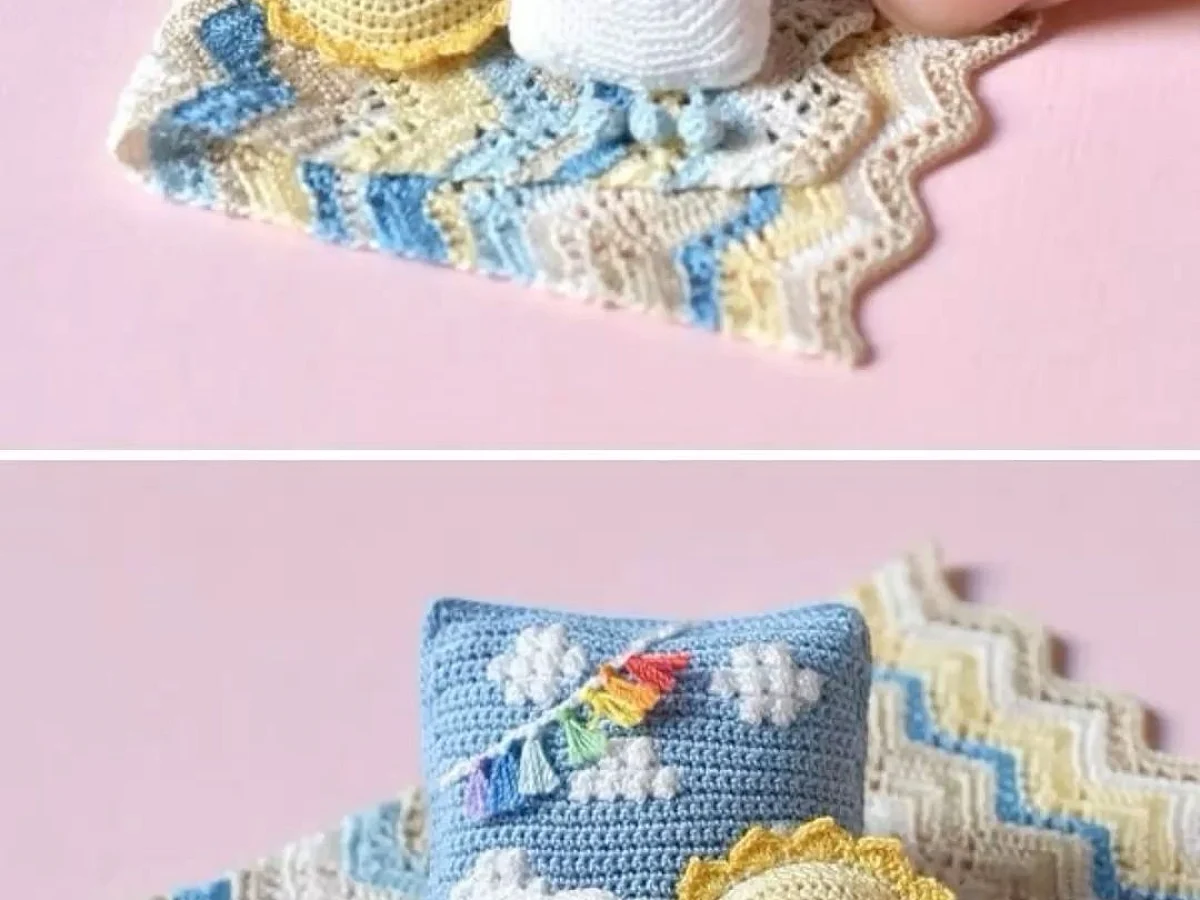
What you need
Crochet thread
Size 10 or size 20 cotton thread. Size 10 is thicker and easier for beginners.
Steel crochet hook
1.5 mm for size 10 thread, 0.75 mm for size 20 thread. Steel hooks have a smooth finish.
Sharp scissors
Small embroidery scissors work best for cutting thread close to the work.
Tapestry needle
A thin needle with a large eye, for weaving in ends.
Pins and blocking mat
Optional but helpful for shaping and setting the final dimensions.
What makes miniature crochet different?
The main difference is the size of the hook and thread. Regular crochet uses yarn, but miniature crochet uses cotton thread, like size 10 or size 20 crochet thread, and hooks from 0.6 mm to 1.5 mm. The stitches are the same, but they are much smaller.
Because the stitches are small, your tension matters more. A slightly loose stitch that you would not notice in a blanket becomes a visible hole in a tiny flower. You also need good light and a steady hand, because the work is delicate.
If you are new to miniature work, start with a 1.5 mm hook and size 10 thread. They are easier to see and handle than the smallest sizes.
What supplies do you need?
You need crochet thread, a small hook, and a pair of sharp scissors. You might also want a needle for weaving in ends, and some pins to block the finished piece.
Choose a smooth cotton thread, because it does not split as easily as fuzzy yarn. Size 10 thread is a good starting point. For the hook, pick steel hooks, which are thin and have a smooth finish. A 1.5 mm hook works well for size 10 thread.
- Crochet thread: size 10 or size 20, in cotton or a cotton blend
- Steel crochet hook: 0.6 mm to 1.5 mm, depending on thread size
- Sharp scissors: small embroidery scissors are ideal
- Tapestry needle: for weaving in ends
- Pins and a blocking mat: to shape the finished piece
If you do not have a steel hook, a larger hook can work with thinner thread, but the stitches will be looser. Try a 2 mm hook with size 10 thread for a softer look.
How do you keep your tension even?
Even tension is the most important skill in miniature crochet. If your tension changes, the piece will be lumpy or have holes. The best way to keep it even is to hold the thread the same way every time and to relax your hands.
A common mistake is to grip the hook too tightly, which makes the stitches too tight and hard to work. Another mistake is to pull the working thread too hard after each stitch, which shrinks the stitch. Let the thread flow freely through your fingers, and let the hook do the work.
If you notice your stitches getting tighter as you go, put the work down for a minute and shake out your hands. Then continue with a lighter grip.
How do you read a miniature crochet pattern?
Most miniature crochet patterns use the same abbreviations as regular crochet, like ch for chain and sc for single crochet. The difference is that the finished size is much smaller, so the stitch counts are often lower.
Read the whole pattern before you start, and check the gauge if the pattern gives one. Gauge is the number of stitches and rows per inch or centimeter. If your gauge is different, the finished size will be different, which matters for things like dollhouse clothes.
If the pattern does not give a gauge, make a small swatch with your thread and hook. Measure it and adjust your hook size if needed.
What are common mistakes and how do you fix them?
The most common mistake is splitting the thread, especially with a sharp hook. If you split the thread, the stitch looks messy and the piece may have a hole. To avoid this, insert the hook cleanly under both loops of the stitch, and use a hook with a smooth, rounded tip.
Another mistake is losing count of stitches, because the stitches are small and hard to see. Use a stitch marker or a piece of contrasting thread to mark the first stitch of each round.
If you make a mistake, you can often just pull out the stitches and redo them. Because the work is small, ripping out is quick. Do not be afraid to frog it.
Use a bright light and a magnifying lamp if you have one. Your eyes will thank you, and you will see the stitches more clearly.
How do you finish and care for miniature crochet?
When you finish a piece, weave in the ends with a tapestry needle. Because the stitches are small, use a needle that is thin enough to pass through without stretching the fabric.
Blocking helps the piece keep its shape. Pin the piece to a blocking mat, spray it lightly with water, and let it dry completely. For small pieces, you can also use a steam iron, but keep it a few inches away to avoid flattening the stitches.
To care for your finished miniature items, keep them away from dust and direct sunlight, which can fade the thread. If they get dusty, gently brush them with a soft, dry toothbrush. Do not wash them unless absolutely necessary, because washing can distort the shape.
Store tiny items in a small box with tissue paper to keep them from getting crushed or tangled.
Step
Choose your thread and hook
Pick a smooth cotton thread and a matching steel hook. For size 10 thread, use a 1.5 mm hook. Hold them together to see if the hook is about the same thickness as the thread.
Make a slip knot and chain
Make a slip knot on the hook, then chain the number of stitches your pattern calls for. Keep the chains loose enough that the hook moves freely.
Work the first round
Insert the hook into the correct stitch, yarn over, and pull up a loop. Complete the stitch as usual. Mark the first stitch with a marker so you know where the round starts.
Keep an even rhythm
Try to keep the same tension for every stitch. Pull the thread gently, not tightly. If you feel your hand cramping, stop and stretch.
Finish and weave in ends
When the piece is the right size, cut the thread, pull it through the last loop, and weave the end through a few stitches with a tapestry needle. Trim the excess.
Block the piece
Pin the piece to a blocking mat, spritz with water, and let it dry. This helps the stitches settle and the shape stay even.
Ways to change it
Thread size
Use size 20 thread and a 0.75 mm hook for even tinier pieces, but be prepared for more difficulty.
Hook material
Try a wooden or plastic hook if steel feels too slippery, but they may not be available in very small sizes.
Project type
Start with a flat flower, then try a small amigurumi animal, then attempt a dollhouse item like a tiny basket.
Color changes
Change colors mid-round to create stripes or details. Carry the unused thread loosely on the back.
Add wire
For poseable stems or limbs, insert a thin craft wire inside the crochet piece. This works well for flowers and dolls.
The short version
- Miniature crochet uses thread and small hooks, typically 1.5 mm or smaller.
- Even tension is crucial; keep your grip relaxed and let the hook do the work.
- Splitting the thread is a common mistake; use a smooth hook and insert cleanly.
- Use stitch markers to keep track of rounds, because stitches are hard to see.
- Blocking helps the piece hold its shape and look professional.
- Start with size 10 thread and a 1.5 mm hook for the best learning experience.
- Miniature projects take 30 minutes to a few hours, depending on complexity.
Questions people ask
What is the best thread for miniature crochet?
Size 10 cotton thread is the best for beginners. It is thick enough to see clearly, but thin enough to make small stitches. Size 20 is finer and gives even smaller results, but it is harder to work with.
How do I keep my tension even in miniature crochet?
Hold the thread consistently and try not to pull too tight after each stitch. Relax your hands and let the hook glide. If you notice uneven stitches, slow down and focus on the rhythm.
Can I use regular yarn for miniature crochet?
You can, but it will not look the same. Yarn is thicker and fuzzier, so the stitches will be less defined. For true miniature work, use crochet thread.
How do I block a tiny crochet piece?
Pin the piece to a blocking mat, spray it lightly with water, and let it dry completely. For stubborn shapes, use a steam iron held a few inches away.
What can I make with miniature crochet?
You can make tiny flowers, animals, dollhouse accessories, jewelry, and decorations. The possibilities are many, but start with a simple flower or a small ball.
Start your first tiny project today
Miniature crochet is a rewarding way to use the same skills you already know, just on a smaller scale. With a little practice, you will be making tiny treasures that fit in the palm of your hand. Stitch with ease.