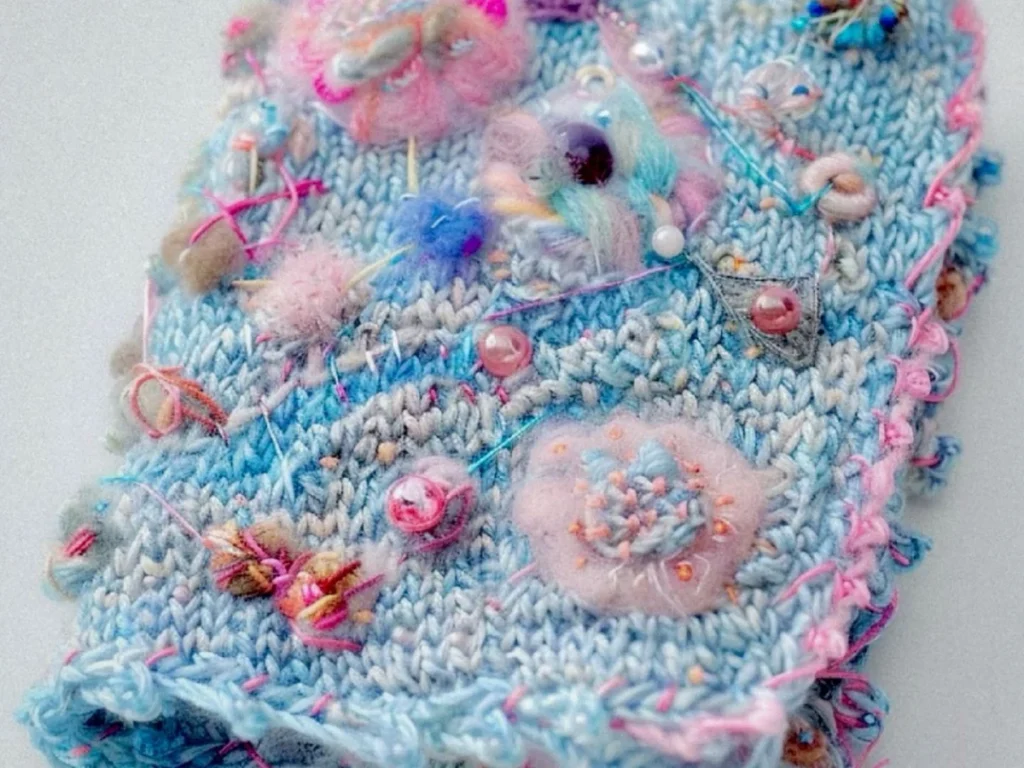
Mixed Media Crochet: How to Combine Yarn with Fabric, Leather, and More
Learn the basics of mixing crochet with fabric, leather, beads, and wire to make one-of-a-kind pieces.
You have a pile of yarn and an old denim jacket, and you want something nobody else has.
You have a pile of yarn and an old denim jacket, and you want something nobody else has. That is what mixed media crochet is for. You take your hook and your usual stitches, then add a second material that is not yarn.
This is not a whole new skill. It is the same single crochet and double crochet you already know, just with a different strand in your hand. The trick is knowing which materials play nice with yarn and how to handle them when they do not.
Mixed media crochet means working yarn together with other materials—fabric strips, leather cords, beads, wire, or even plastic bags. You can do it with the same hooks you already own, and it changes the texture, weight, and look of your piece completely.
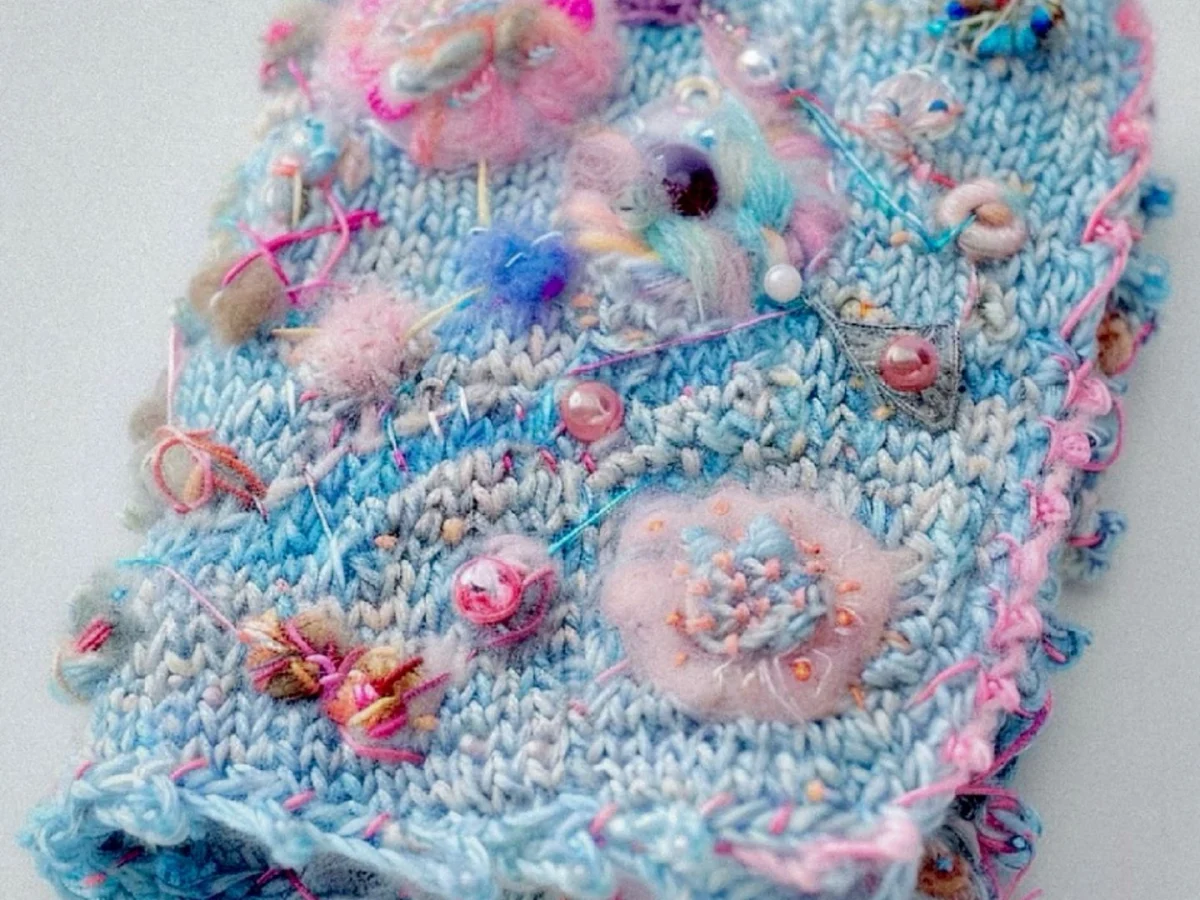
What you need
Yarn
Worsted weight or bulky works best for beginners. Choose a smooth yarn first; textured yarn hides mistakes but also hides your stitches.
Hook
Use one or two sizes larger than the yarn label says to account for the extra bulk of the mixed material.
Fabric strips
Cut from an old T-shirt or use commercial t-shirt yarn. You need about 1 yard of fabric for a small pouch.
Scissors
Sharp scissors for cutting fabric and yarn. Dull ones will fray the fabric.
Yarn needle
For weaving in ends and attaching buttons or beads with a thread.
What is mixed media crochet?
Mixed media crochet is any project that combines yarn with another material in the same piece. It can be a fabric strip crocheted into a basket, a leather cord woven through a bag handle, or beads slipped onto your thread before you make a stitch.
You do not need a special hook or a new stitch. You need to think about weight, stretch, and how the two materials behave when you pull them together.
Start with fabric strips cut from an old T-shirt. They stretch, so they forgive mistakes.
What materials work best?
Some materials are easy to crochet with, and some will fight you. Fabric strips (t-shirt yarn) are forgiving because they have some give. Leather or suede cords are stiff, so they work better for edges or handles, not for the whole piece.
Wire is a whole different animal. It holds its shape, so you can make sculpture-like pieces, but it will hurt your hands if you use it for long. Beads are easy if you string them onto the yarn before you start.
Plastic bags cut into strips make waterproof baskets and mats. They are slippery, so you need a looser tension than you would use with yarn.
For your first project, choose one material to mix with yarn. Do not try three at once.
How to combine fabric strips with yarn
Cut an old T-shirt into a continuous strip about half an inch wide. You can do this by cutting from the bottom hem up in a spiral, or just cut the shirt into rings and join them.
Hold the fabric strip together with your yarn as if they were one strand. Use a hook one or two sizes larger than the yarn label recommends, because the fabric adds bulk.
Crochet as you normally would. The fabric will not stretch the same way as yarn, so keep your tension loose. If your stitches feel too tight, go up another hook size.
Speed hack: do not try to hide the fabric join. Tie a simple knot and crochet over the tails.
Adding beads and buttons
Beads add weight and sparkle without changing the drape much. The easiest way is to string all your beads onto the yarn before you start. Then slide one up to the hook when you want it to sit on top of a stitch.
To place a bead, make the stitch as usual, but before you pull the yarn through the last loop, slide the bead down to the hook and then complete the stitch. The bead will sit on the front of the work.
Buttons are different. You can sew them on after, or crochet around them by making a chain loop and passing it through the buttonhole.
Check that your bead hole is wide enough for the yarn. A yarn needle can help push it along.
Using leather or suede cords
Leather cords look great for bag handles or edging. They do not stretch, so they pull the fabric tight. Use a simple chain or single crochet around the cord to attach it, rather than trying to crochet with the cord itself.
You can also punch holes in a leather strip and crochet into the holes, like you would with fabric. That gives a clean, professional edge.
Watch out for stiffness. If your hands start to ache, switch to a wider hook or take a break.
Use a leather punch or a sharp needle to make holes. A regular sewing needle will not work.
What goes wrong and how to fix it
The most common issue is uneven tension. Fabric stretches differently than yarn, so your edges may ripple or pull. If your work curls, you are crocheting too tightly. If it ruffles, too loosely.
Another problem is that the fabric strip twists. Stop every few stitches and let it untwist. This keeps the smooth side facing out.
If your hook gets stuck in the fabric, use a hook with a smooth, rounded tip. Pointy hooks snag.
When in doubt, rip it out. Mixed media pieces are forgiving, but only if you fix mistakes early.
Step
Prepare your fabric strip
Cut a T-shirt into a continuous strip about half an inch wide. Stretch it slightly so it curls into a tube.
Choose your hook
Go up one or two sizes from the yarn label. For worsted yarn, that means a 6.5 mm or 8 mm hook.
Hold the two strands together
Hold the yarn and fabric strip side by side as if they were one strand. Keep the fabric flat and untwisted.
Make a foundation chain
Chain the number of stitches you need for your project. Keep your tension loose enough that the chain lies flat.
Work single crochet rows
Single crochet into each chain. Check after a few rows that the fabric is not curling or ruffling. Adjust your tension if needed.
Finish off
Cut both strands, leaving a tail. Pull through the last loop and weave in the ends with a yarn needle.
Ways to change it
Fabric choice
Use old jeans for a stiffer, more durable piece. T-shirt fabric is softer and drapes better.
Yarn weight
Try bulky yarn with wide fabric strips for a chunky, modern look. Use fine yarn with thin fabric for delicate work.
Add beads
String beads onto the yarn before you start, then slide them up to place as you crochet.
Use wire
For sculptural pieces, use 24-gauge craft wire. It holds shape but is hard on your hands, so keep it short.
Plastic bags
Cut plastic bags into strips for waterproof baskets. Use a looser tension than normal.
Leather cord
Use as an edging or handle instead of crocheting with it. Punch holes and crochet into them.
The short version
- Mixed media crochet uses the same stitches, just with a second material held together with the yarn.
- Fabric strips from old T-shirts are the easiest starting material because they stretch.
- Use a hook one or two sizes larger than the yarn label recommends.
- Keep your tension looser than usual to avoid curling and rippling.
- Beads are easiest to add by stringing them onto the yarn before you start.
- Leather and wire are best for accents, not for the whole piece.
- If your work curls, loosen your tension. If it ruffles, tighten it.
Questions people ask
Can I use any yarn for mixed media crochet?
Yes, but smooth worsted or bulky yarn works best for beginners. Textured yarns can hide the second material and make it hard to see your stitches.
Do I need a special hook?
No, a regular crochet hook works. You just need a larger size than you would use for the yarn alone, to account for the extra bulk.
How do I keep the fabric strip from twisting?
Pause every few stitches and let the fabric untwist. You want the smooth side to face out for a cleaner look.
What if my edges curl?
Curling means your tension is too tight. Switch to a larger hook or consciously loosen your grip on the yarn.
Try a small sample square before you start a big project.
Mixed media crochet is a simple way to turn leftover yarn and old clothes into something fresh. Start with a small sample using a T-shirt strip and worsted yarn. Once you feel how the fabric moves with the yarn, you will see the possibilities. Keep it quick and cute!