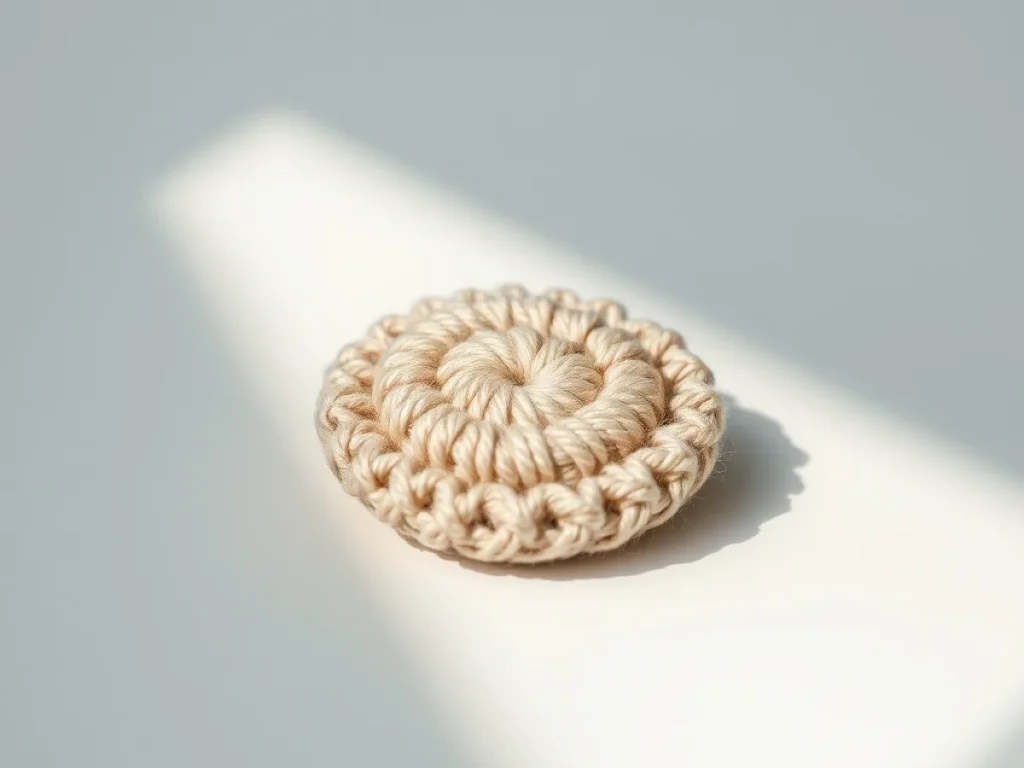
Not Sure Which Crochet Stitches to Learn First or What to Make With Them
Learn the four stitches that cover almost every beginner pattern, then pick a first project that uses them.
Most beginners quit on their third row, not because crochet is hard, but because they started with a stitch that hides mistakes badly.
Four stitches cover nearly everything a beginner wants to make. Chain, single crochet, half double crochet, and double crochet. Get those and you can read most patterns sold today.
The order matters more than the number. Start with the stitch that shows you your own mistakes clearly, not the one that looks prettiest in photos.
Learn chain, single crochet, half double crochet, and double crochet first. Those four make scarves, beanies, granny squares, and most amigurumi. Skip anything lacy until your tension is steady.
What you need
Worsted weight yarn
One 200 g ball in a light colour is enough for a scarf and two practice squares. Acrylic is cheapest and easiest to unravel.
5 mm crochet hook
Metal or rubber-grip, whichever feels better in your hand. A 5.5 mm hook works too and makes looser fabric.
Tapestry needle
A blunt needle with a large eye for weaving in ends. Buy two, they vanish.
Stitch markers
Five or six, or use short lengths of contrasting yarn. They mark the first stitch of a row.
Tape measure
For checking width every ten rows. A ruler works for small swatches.
Why chain and single crochet come before anything else
Chain is the foundation row. Every other stitch sits on top of it, so a twisted chain ruins the whole first row. Make 20 chains, then count them twice. If the count is off, pull it out and start again. It takes two minutes.
Single crochet is short, dense, and honest. You can see every stitch, every gap, and every place your hook went into the wrong loop. That is the point. A stitch you can read is a stitch you can fix.
Work a 15 cm square in single crochet before you try a pattern. If the sides bow inward, your tension is tight. If the fabric feels floppy and the holes show, it is loose. Aim for a fabric you cannot see daylight through.
- Chain 20, single crochet into the second chain from the hook, then one single crochet in each chain across. You should end with 19 stitches.
- Turn, chain 1, then single crochet into the first stitch of the row. Skipping that first stitch is the most common beginner error and it makes a triangle.
If your first row curls into a spiral, you probably worked into the back bump only. That is not wrong, just tighter. Try working under both loops instead.
Adding half double crochet and double crochet
Half double crochet sits between single and double in height. Yarn over, go into the stitch, pull up a loop, yarn over, pull through all three loops. It works up about twice as fast as single crochet and still holds a shape.
Double crochet is the tall one. Yarn over, into the stitch, pull up a loop, yarn over and pull through two, yarn over and pull through two again. A 15 cm square takes roughly 12 rows instead of 20.
Height is the whole difference between these stitches. Height also decides drape. A scarf in double crochet hangs softly. The same scarf in single crochet stands up stiff as cardboard.
If your double crochet rows keep growing wider, you are adding a stitch at the start of the row. Count the stitches in row three and row four. They should match.
What to actually make with each stitch
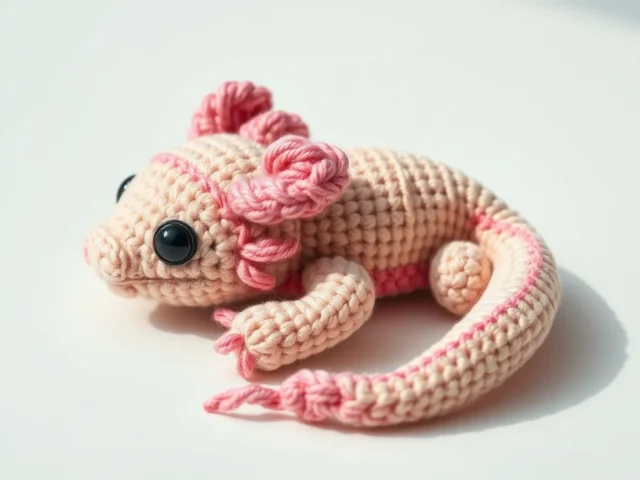
Single crochet makes dense fabric, so it suits amigurumi, potholders, and bag bases. Amigurumi needs that density or the stuffing shows through. Use a hook two sizes smaller than the yarn label suggests, usually 3.5 mm with worsted weight.
Double crochet makes open, quick fabric. It suits scarves, blankets, and tote bags. A worsted weight scarf in double crochet with a 5.5 mm hook takes about four hours of steady work.
Granny squares use double crochet clusters worked into chain spaces. They are forgiving because no two squares have to be identical. A 15 cm square needs about four rounds with worsted weight and a 5 mm hook.
Half double crochet is the quiet workhorse. It makes beanies that hold shape without stiffness, and it works up fast enough that a hat takes an evening.
- Scarf, single crochet: 25 cm wide, 150 cm long, about 30 stitches across with worsted weight and a 5 mm hook.
- Beanie, half double crochet: measure the head, subtract 5 cm, work a flat circle until that width, then stop increasing and work even.
- Tote bag, double crochet: work a flat oval base, then work even rounds without turning. Line it with cotton fabric if you plan to carry anything heavy.
Yarn and hook choices that make learning easier
Use worsted weight yarn, sometimes sold as aran. It is thick enough to see your stitches and thin enough to hold a hook comfortably. Cotton is harder on the hands. Fuzzy yarn hides mistakes, which sounds kind and is not.
A 5 mm hook fits worsted weight for most practice swatches. Metal hooks slide faster. If your hands ache after ten minutes, try a hook with a rubber grip.
Light-coloured yarn shows stitch definition better than dark yarn. Navy and black are the worst for learning. Save them for later.
If you only have a 4 mm hook, use it with worsted weight anyway. The fabric gets denser and your hands work harder, but the stitches stay the same.
How to check your work without a teacher
Lay the piece flat on a table. If it lies flat on its own, your tension is even. If one corner lifts, that edge is tighter than the other.
Count stitches at the end of every row for the first five rows. After that, count every third row. Most beginner problems are one missing stitch at the start of a row, repeated forty times.
Measure the width after ten rows. If it has grown by more than 1 cm from row one, you are adding stitches. If it shrank, you are losing them.
Take a photo of your work every few rows. Mistakes that look invisible up close are obvious in a photo.
Common mistakes and how to spot them
Twisted foundation chain: the chain spirals and the first row will not sit straight. Fix it by keeping the chain facing you with the V shapes all pointing the same way.
Wrong loop: working into the front loop only leaves a ridge on the back. Some patterns want that. Most do not. Read the pattern before you decide.
Skipped turning chain: the edge stair-steps inward. Count the turning chain as a stitch only when the pattern says so.
Loose last stitch: the final stitch of a row sits far from the hook and gets missed. Feel for it with your finger before you turn.
Your first three projects in order
Start with a 15 cm single crochet square. It teaches tension, counting, and turning. It takes about 40 minutes.
Then make a double crochet scarf. Same skills, faster fabric, and you finish something wearable in an evening or two.
Then try a granny square. It teaches working in rounds, chain spaces, and colour changes. Make four and join them into a small mat before you commit to a blanket.
Keep your first square. In three months you will see exactly how much your tension changed.
Step
Make a chain of 20
Hold the hook in your dominant hand and the yarn in the other. Count the chains twice. If the count is not 20, pull out and start again before you go further.
Work the first single crochet row
Skip the first chain, then single crochet into each chain across. You should have 19 stitches. Count them before turning.
Turn and work four more rows
Chain 1, turn the work, and single crochet into the first stitch. Work to the end. Five rows total gives you a piece about 4 cm tall.
Check the shape
Lay it flat. The sides should be straight and the width should match row one. If it fans out, you added stitches. If it narrows, you lost them.
Switch to double crochet
Work two rows of double crochet on the same swatch. The fabric gets taller and looser. Notice how the drape changes with the same yarn and hook.
Finish and weave in
Cut the yarn leaving a 15 cm tail. Pull it through the last loop and thread it onto a tapestry needle. Weave it back through four or five stitches, then trim.
Ways to change it
Chunky yarn and a 8 mm hook
Bigger stitches are easier to see and a scarf takes about two hours. Good for anyone who struggles with thin yarn.
Cotton yarn and a 4 mm hook
Denser fabric that suits potholders and bag bases. Harder on the hands, so work in short sessions.
Two colours
Change colour at the end of a row to practice joining. It also makes counting rows much easier.
Left-handed
Work the same stitches in the opposite direction. The pattern reads the same, the hook just moves the other way.
Smaller project
A coaster is a 10 cm square and finishes in fifteen minutes. Useful when you want to test a stitch before committing.
The short version
- Chain, single crochet, half double crochet, and double crochet cover almost every beginner pattern.
- Single crochet makes dense fabric for amigurumi and bags. Double crochet makes soft, quick fabric for scarves and blankets.
- A 15 cm practice square in worsted weight with a 5 mm hook takes about 40 minutes.
- Count stitches at the end of every row for the first five rows. Most mistakes are one missing stitch repeated.
- Light-coloured worsted weight yarn shows your stitches better than dark or fuzzy yarn.
- If the fabric fans out, you are adding stitches. If it narrows, you are losing them.
Questions people ask
How long does it take to learn the basic crochet stitches?
Most people can chain and work single crochet in about an hour. Double crochet usually clicks in the second session. Steady tension takes a few weeks of short practice.
Should I learn single crochet or double crochet first?
Single crochet first. It is shorter, so mistakes are easier to see, and it teaches you to read your own stitches. Double crochet is faster once you can count.
What can I make with only single crochet?
Scarves, potholders, coasters, amigurumi, and bag bases. The fabric is dense and holds shape well. It is slower than double crochet, so a full blanket takes a long time.
Why does my crochet get wider every row?
You are working an extra stitch at the start of the row, usually into the turning chain. Count the stitches in two neighbouring rows. They should be the same number.
What hook size should a beginner use?
A 5 mm hook with worsted weight yarn is the easiest starting point. It is large enough to see the stitches and small enough to hold comfortably.
Can I learn crochet from written patterns alone?
Yes, if you learn the abbreviations first. Sc means single crochet, hdc means half double crochet, dc means double crochet, and ch means chain.
Pick up your hook and make the first square
Start with 20 chains and one row of single crochet. That is the whole first lesson. Everything else is the same motion at a different height. Stitch with ease.