Ergonomic Crochet Hook Design: How Shape, Grip and Handle Size Change Your Hands
Learn how handle shape, grip style and hook length affect your hands, and how to pick a hook you can crochet with for an hour without cramping.
A crochet hook is a stick with a notch, but the handle is where the design work happens.
Hold two hooks side by side and the difference is obvious. One is a bare aluminium shaft. The other has a fat, soft handle with a flat spot where your thumb lands.
That fat handle is the whole idea behind ergonomic hook design. It changes how your hand holds the hook, not how the hook makes stitches.
An ergonomic crochet hook is a normal hook with a handle built up around it. The handle is thicker, often softer, and shaped so your fingers rest instead of pinch. It does not make you faster by itself, but it can make a long session easier on your wrist and fingers.
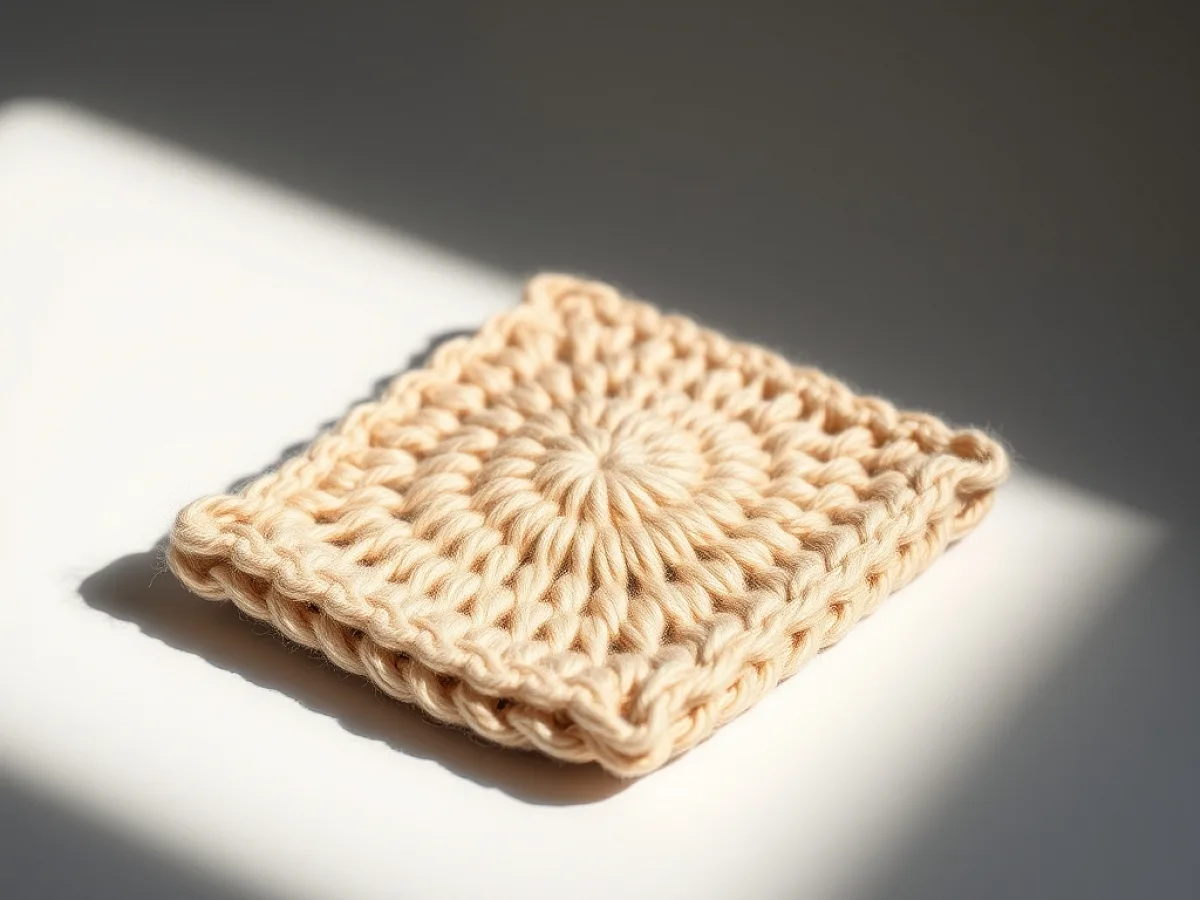
What you need
Yarn
One ball of worsted weight yarn is enough for testing. Acrylic or cotton both work.
Hooks to compare
A plain 5.0 mm hook and one ergonomic 5.0 mm hook, so only the handle changes.
Ruler or tape measure
For checking gauge over 10 cm of single crochet.
Stitch marker
Optional, but helpful for counting rows in a small swatch.
Notebook
Write down which hook felt best with which yarn. You will forget otherwise.
What Makes a Hook Ergonomic
Ergonomic means the tool fits the hand instead of the hand fitting the tool. On a plain hook, your fingers wrap tight around a thin metal shaft. That pinch is what tires your hand.
A designed handle adds thickness, usually 15 to 25 mm across. That extra width lets your fingers stay relaxed and slightly open. Many handles also have a flat thumb rest, so your thumb has one obvious place to sit.
- Thicker handle, usually rubber, foam or molded plastic over the metal shaft
- Flat thumb rest that stops your grip from sliding
- Slightly tapered neck so the yarn still slides freely
- Textured surface so your fingers do not need to squeeze
If a handle feels slippery, a strip of self-adhesive bandage wrap around it costs almost nothing and works well.
Grip Style Changes What You Need
There are two common ways to hold a hook. The knife grip holds the hook like a knife, with the handle resting against your palm. The pencil grip holds it like a pen, with the hook balanced between thumb and index finger.
Knife grip users usually get the most from a thick handle, because the handle presses into the palm. Pencil grip users often prefer a slimmer handle with a clear thumb rest, since a fat handle can push the hook out of line.
Neither grip is wrong. Pick the one your hand already does without thinking.
Handle Types and What They Cost
Most ergonomic hooks fall into three groups. Knowing them saves you from buying the wrong one twice.
Soft rubber sleeves slide over a standard hook. They cost the least and let you keep hooks you already own. Molded plastic handles are built onto the hook and last longer. Chunky wooden or resin handles are the heaviest and warmest in the hand.
- Sleeve or grip add-on: cheap, fits many hooks, can slide off
- Molded handle hook: one piece, durable, sold in sets
- Wood or resin handle: warm, heavier, often hand-finished
Weight matters more than people expect. A heavy handle feels lovely for ten minutes and tiring after an hour.
Why Hook Size Still Comes First
The handle is comfort. The hook size is the stitch. A 5.0 mm hook makes a different fabric than a 4.0 mm hook, no matter how nice the handle is.
Hook sizes are written in millimetres, and sometimes with a letter or number. US sizes and UK sizes do not match, so trust the millimetre figure. For a worsted weight yarn, 5.0 mm to 5.5 mm is a common starting point.
Always check the yarn label band. It lists a suggested hook size and a gauge, usually something like 16 single crochet to 10 cm. That gauge is what decides whether your finished piece matches the pattern.
How to Test a Hook Before You Commit
You can learn a lot in five minutes with a small swatch. Do not judge a hook on one row.
Test with the yarn you actually plan to use. A hook that feels great with cotton can feel clumsy with fluffy acrylic.
Common Mistakes With Ergonomic Hooks
The most common mistake is buying a set in one size range and then needing a size the set does not include. Check the millimetre range before you buy.
Another is gripping harder because the handle feels secure. A thick handle should let you loosen your grip, not tighten it. If your knuckles go white, you are still squeezing.
Some people find a fat handle makes their stitches tighter, because the hook no longer rotates freely in the fingers. If your gauge changes, that is the reason. Go up half a millimetre and check again.
- Set missing the size you use most
- Squeezing harder instead of softer
- Stitch gauge drifting tighter with a thick handle
- Handle sliding off a smooth metal shaft mid-row
Making Any Hook More Comfortable
You do not need a new set to get relief. A few cheap changes help a lot.
Wrap the handle with foam tubing or self-adhesive wrap. Sit so your forearms are supported at roughly elbow height. Take a short break every twenty minutes and open and close your hands a few times.
If pain in your hands or wrists continues, stop and speak to a doctor or physiotherapist. A hook can reduce strain, but it cannot fix a medical problem.
Step
Make a slip knot
Loop the yarn and pull the working end through. Slide it onto the hook and tighten gently. It should slide along the shaft without dragging.
Chain 12
Yarn over and pull through the loop twelve times. Count as you go. If the chain twists, undo it and start again.
Work one row of single crochet
Insert the hook into the second chain from the hook, yarn over, pull up a loop, yarn over, pull through both loops. Repeat across. You should have 11 stitches.
Work four more rows
Chain one and turn after each row. Keep your grip relaxed. Stop if your hand starts to ache.
Measure your gauge
Lay the swatch flat and measure 10 cm across the middle. Count the stitches. Write the number down next to the hook name.
Swap hooks and repeat
Use the other hook and work the same swatch. Compare the stitch count and how your hand feels. The hook that gives you the same gauge with less tension wins.
Ways to change it
Sleeve on your own hook
Cheapest option. Fits hooks you already own, but can slip on smooth metal.
Molded handle hook
One solid piece. Good if you want a set that lasts and do not mind the price.
Wooden handle
Warmer and heavier. Suits people who crochet in a cold room or like a bit of weight.
Chunky handle for knife grip
Best if the handle rests in your palm. Look for a wide, flat thumb rest.
Slim handle for pencil grip
Keeps the hook balanced between thumb and finger. Less bulk near the head.
Travel set
Small zipped case with a few common sizes. Useful if you crochet on trains or in waiting rooms.
The short version
- An ergonomic hook changes the handle, not the stitch, so hook size still decides your gauge.
- Handle width usually runs 15 to 25 mm, and the flat thumb rest is what stops the grip sliding.
- Knife grip users tend to prefer thick handles, pencil grip users tend to prefer slimmer ones.
- A thick handle can make your stitches tighter, so check gauge again after switching.
- Five minutes of swatching tells you more than any product description.
- If hand or wrist pain continues, see a doctor rather than buying another hook.
Questions people ask
Do ergonomic crochet hooks actually help?
They help by letting your fingers stay relaxed instead of pinching a thin shaft. Many people find they can crochet longer before their hand tires. It is a comfort tool, not a cure, and results vary from person to person.
What size ergonomic hook should I buy first?
Start with the size you already use most, often 5.0 mm for worsted weight yarn. Buying a whole set in sizes you never touch wastes money. One good hook in your go-to size is a better first buy.
Can I use an ergonomic handle on any hook?
Sleeve-style grips slide over many standard hooks, but not all. They fit best on smooth, straight shafts and can slip on hooks with a shaped thumb rest already built in. Check the inner diameter before ordering.
Why are my stitches tighter with a new hook?
A thicker handle can stop the hook rotating freely in your fingers, so you turn it with your wrist instead. That usually tightens the stitch. Go up half a millimetre and measure your gauge again.
Are expensive hooks better?
Not automatically. Price usually buys materials and finish, not comfort. A cheap sleeve on a hook you already like can feel better than an expensive handle that is the wrong width for your grip.
Pick one hook, make one swatch, and let your hand decide
Ergonomic crochet hook design comes down to one question: does your hand stay relaxed after twenty minutes? Test a hook with your own yarn, measure the gauge, and keep the one that lets you loosen your grip. Happy hooking!