Crochet Gauge Tips: How to Measure Stitches and Rows So Projects Fit
Measure a small swatch, match the pattern numbers, and stop guessing whether the hat will fit.
A gauge of 18 stitches and 20 rows per four inches can shrink a hat by two whole inches if you actually crochet 20 stitches instead.
Gauge is not a test you pass or fail. It is a number. Your number, on your yarn, with your hook, on the day you crochet it.
Get that number close to the pattern and your sweater fits. Skip it and you find out at the end, which is the worst time to find out anything.
Crochet gauge is the number of stitches and rows you get in a set measurement, usually four inches. Measure a flat swatch, compare it to the pattern, and change your hook size until the numbers match. That is the whole job.
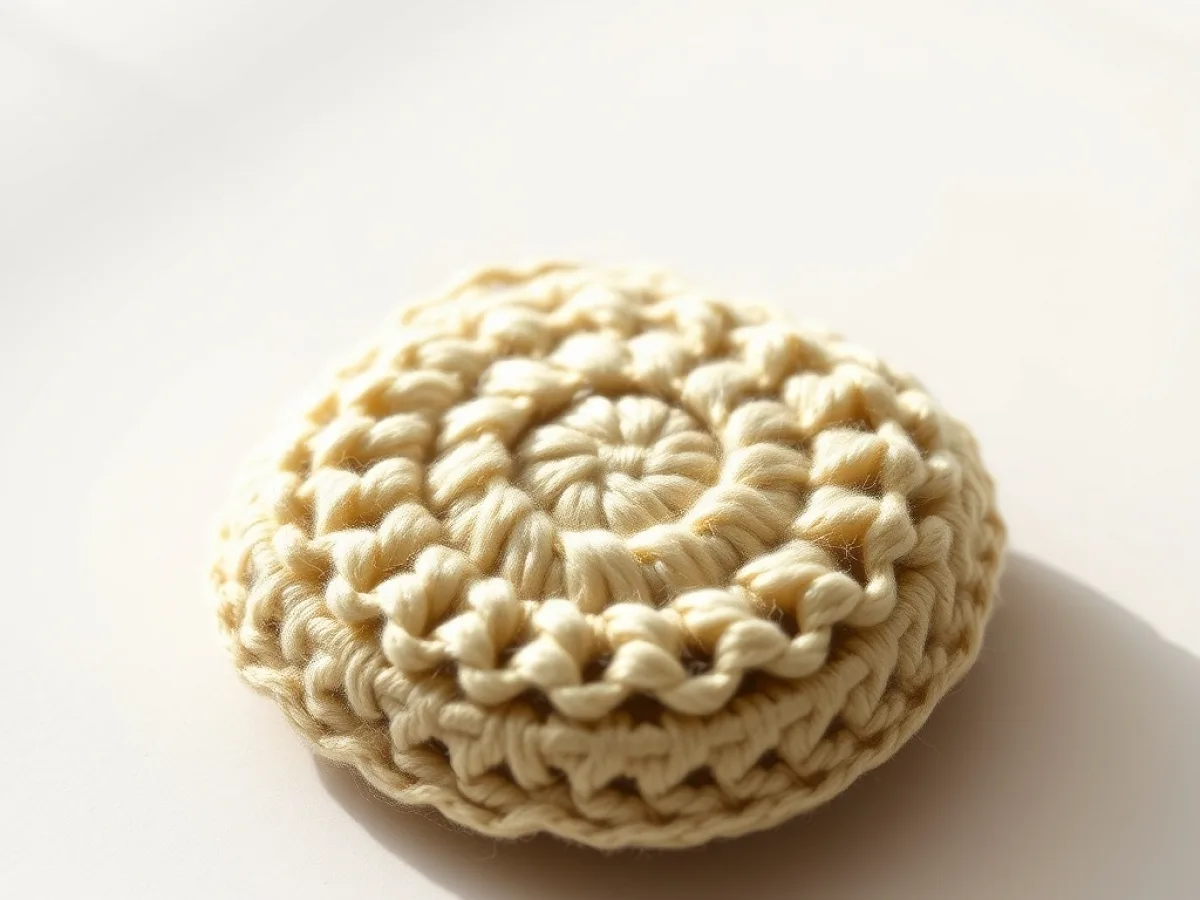
What you need
Worsted weight yarn
One skein is plenty. Use the exact yarn from your pattern if you can, because fiber and spin change gauge.
Aluminum hook, size H-8 (5.0 mm)
Start with the hook the yarn label suggests. Keep a G-6 and an I-9 nearby for quick size changes.
Ruler or gauge checker
A clear plastic ruler with quarter-inch marks works fine. A gauge checker with a two-inch window is faster.
Tape or pins
Two short pieces of tape mark the four-inch span so you do not lose your place while counting.
What crochet gauge actually measures
Gauge counts stitches across and rows up inside a measured square. A pattern might say 16 stitches and 18 rows equal four inches in single crochet.
Those two numbers control different things. Stitch count sets width. Row count sets height. A garment can be right across and wrong up, and that is common.
Gauge changes with yarn weight, hook size, tension, and stitch pattern. Two people can use the same hook and yarn and get different squares. That is normal, not a flaw.
Write your gauge on a scrap of paper and pin it to the yarn label. Next time you use that yarn, you start ahead.
How to measure a swatch without fooling yourself
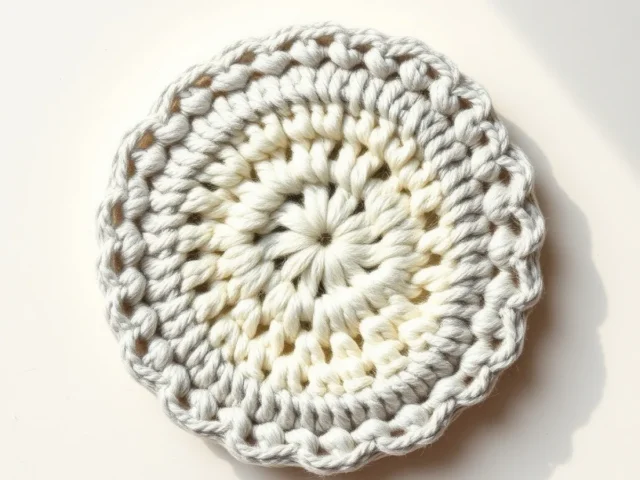
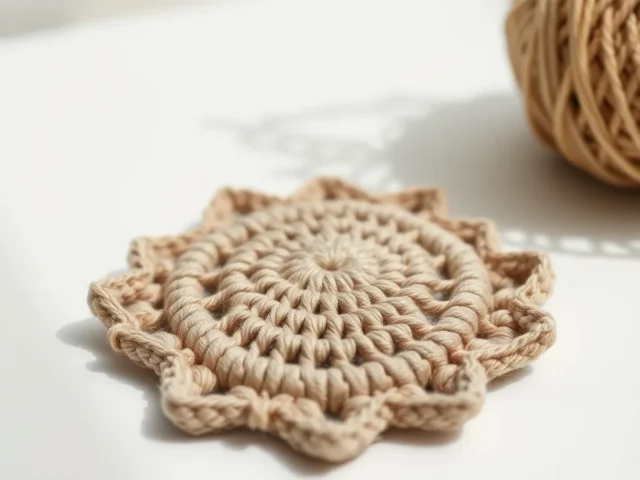
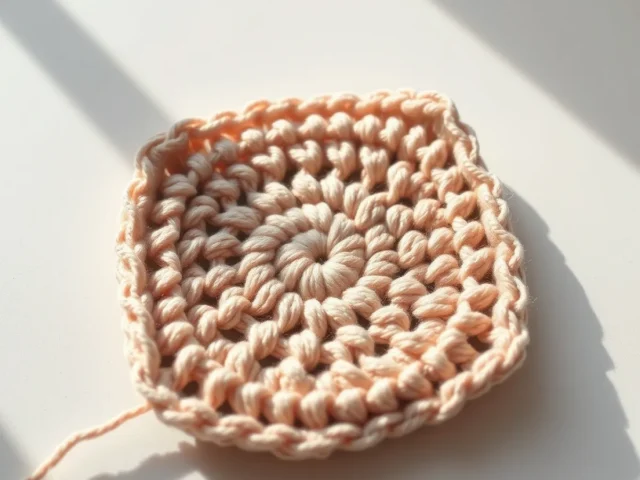
Chain about 24 stitches and work 24 rows in the pattern stitch. Small swatches lie. Edges curl and pull the middle tight.
Lay the swatch flat and let it rest. Do not stretch it. Do not pat it into a nicer shape.
Put a ruler across the center and count only the stitches between the marks. Count the posts, not the chain at the top. Then measure rows the same way, from the bottom of one stitch to the bottom of the one four inches up.
- Measure in the middle, never at the edge
- Count four inches, not one inch, then divide
- Measure twice before you change anything
If your count lands between two numbers, round to the nearest half stitch. Half stitches are real.
Gauge for projects where fit matters and projects where it does not
Hats, sweaters, socks, mittens, and anything worn need gauge. So do blankets if you bought a fixed amount of yarn and want a fixed size.
Scarves, dishcloths, and amigurumi are more forgiving. A scarf two inches narrower still works. A stuffed toy one size off still looks like the animal.
If a pattern says gauge is not critical, believe it. If it prints a gauge, that number is load-bearing.
Fixing gauge when your numbers are off
Too many stitches per four inches means your stitches are small. Go up one hook size and swatch again. Too few means your stitches are big, so go down one hook size.
Change one hook size at a time. Two sizes at once and you learn nothing.
If stitch count matches but row count does not, you can often work extra or fewer rows instead of fighting the hook. Row gauge is the easier one to adjust.
Swatch in the round if the pattern is in the round. Flat and round gauge are different animals.
How to measure gauge in the round
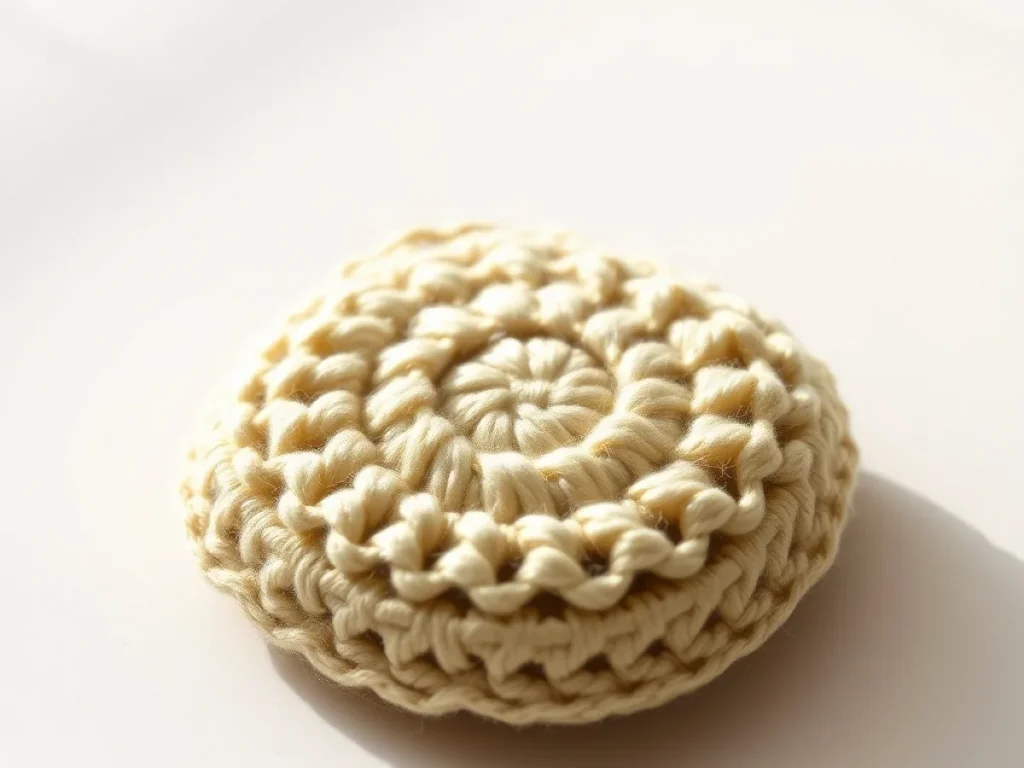
Work a small tube, about four inches around, in the pattern stitch. Do not join. Flatten it and measure across the middle.
Turning chains and joins add bulk that a flat swatch never shows. That bulk is exactly what makes a hat come out tight.
Measure the tube flat, then measure it again after a gentle wash and dry if the yarn allows. Some yarns relax, and that changes everything.
Washing the swatch before you trust it
Wool, cotton, and blends can shift after the first wash. A swatch that measures 16 stitches dry might measure 17 after a soak.
Wash the swatch the way you plan to wash the finished piece. Let it dry flat. Then measure.
If the yarn label says dry clean only, treat the swatch the same way. Skipping this step is how a sweater grows two sizes in the sink.
Step
Chain and work a square
Chain 24 and work 24 rows in the pattern stitch. It is done when the square is flat and about five inches wide.
Rest the swatch
Lay it flat for ten minutes and let the edges relax. It is ready when it stops curling at the corners.
Mark four inches
Tape the ruler at the center and mark the four-inch span across and up. It worked if the marks sit in the middle, not at the edge.
Count and compare
Count stitches between the marks, then rows. It worked if both numbers match the pattern, or you know exactly how far off you are.
Change one hook size
Go up or down one size and swatch again if the numbers are off. It worked when the new count lands on the pattern number.
Ways to change it
Swatch in the round
Work a four-inch tube for hats, socks, and anything joined. Suits patterns with turning chains.
Cotton instead of wool
Cotton has less stretch, so gauge stays put after washing. Good for dishcloths and bags.
Chunky yarn swap
Use a bulky weight and a J-10 hook for a faster swatch. Suits blankets and chunky hats.
Wash and block first
Soak the swatch, dry it flat, then measure. Suits any fiber that relaxes in water.
Two swatches, two hooks
Work one swatch in the pattern hook and one a size up. Suits anyone whose tension changes with mood or time of day.
The short version
- Gauge is the number of stitches and rows in a set measurement, usually four inches.
- Measure in the middle of a flat swatch, never at the edge.
- Change one hook size at a time until the stitch count matches the pattern.
- Row gauge can often be fixed by working more or fewer rows instead of changing hooks.
- Swatch in the round if the pattern is in the round, because flat and round gauge differ.
- Wash the swatch the way you plan to wash the finished piece before you trust the numbers.
Questions people ask
What is a good crochet gauge for beginners?
There is no universal good gauge. The right gauge is whatever the pattern says. Match the pattern number and you are done.
How many stitches should I chain for a gauge swatch?
Chain about 24 stitches and work 24 rows. That gives you a five-inch square with room to measure four inches in the middle.
Why does my gauge change between projects?
Tension shifts with stress, fatigue, and how tightly you hold the yarn. It is normal. Swatch each time you start something that needs to fit.
Do I really need to wash my swatch?
Yes if the yarn can be washed. Fibers relax or shrink in water, and that changes the finished size. Wash it the same way you will wash the project.
What if my stitch count is right but my rows are wrong?
Work more or fewer rows to hit the length. Row gauge is easier to adjust than stitch gauge, so do not change your hook for this.
Make one swatch before your next project and check the numbers
Gauge is one small square of work that saves you a whole sweater. Measure it, match it, and keep it quick and cute.