Miniature Crochet Art: Tiny Creations with Big Charm
Learn to make crochet pieces small enough to fit in your palm
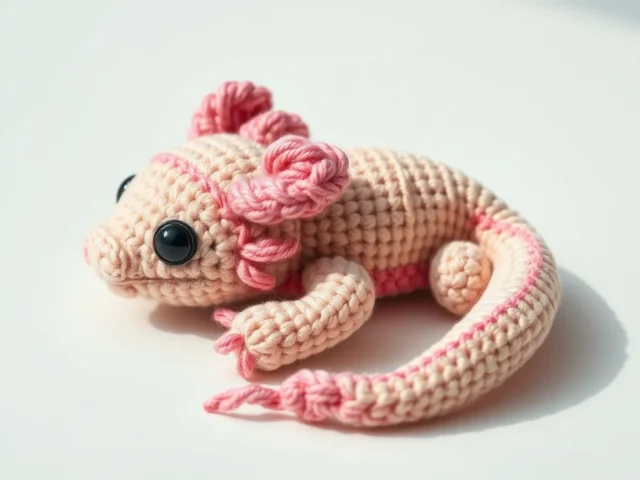
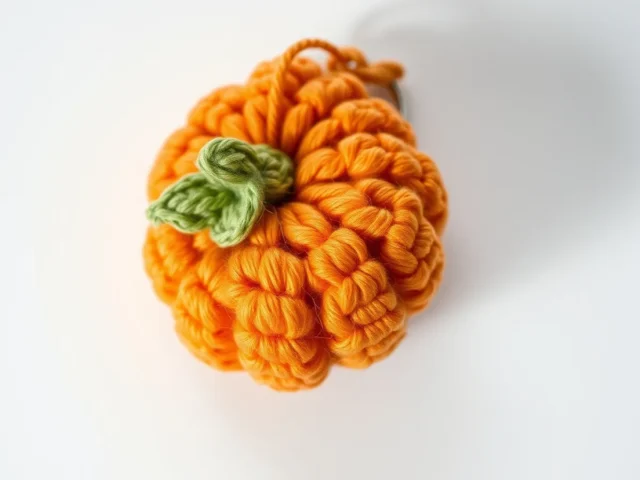
A crochet piece this small fits in a thimble.
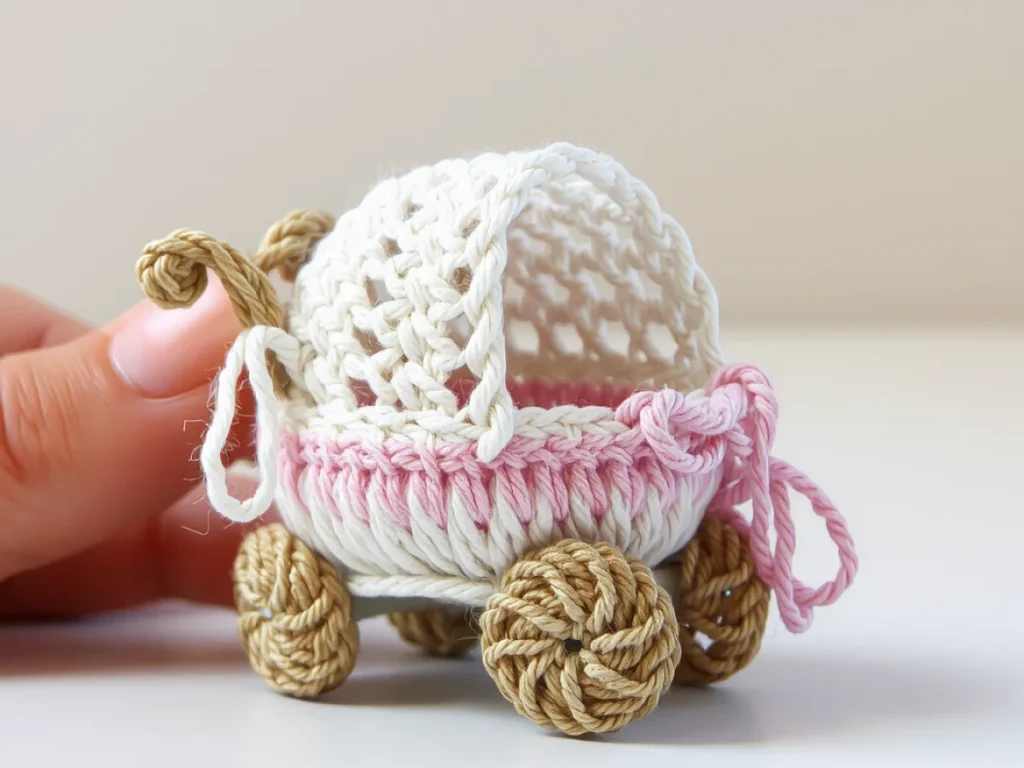
Miniature crochet turns everyday objects into pocket-sized wonders. A teacup becomes the size of a button. A chair fits on a coin.
These tiny pieces work like regular crochet, just smaller. The trick is in the materials and tension.
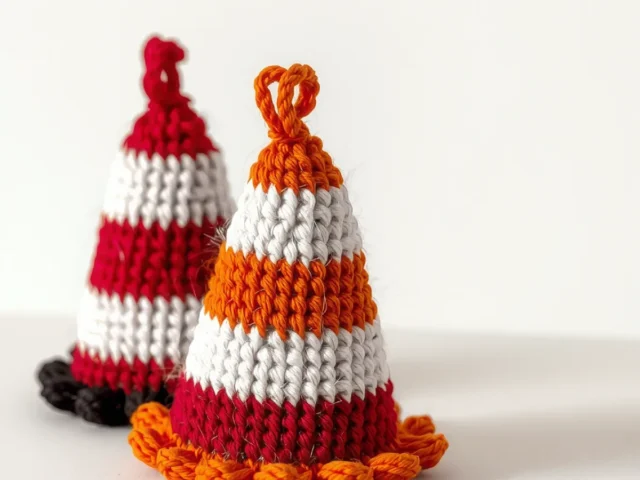
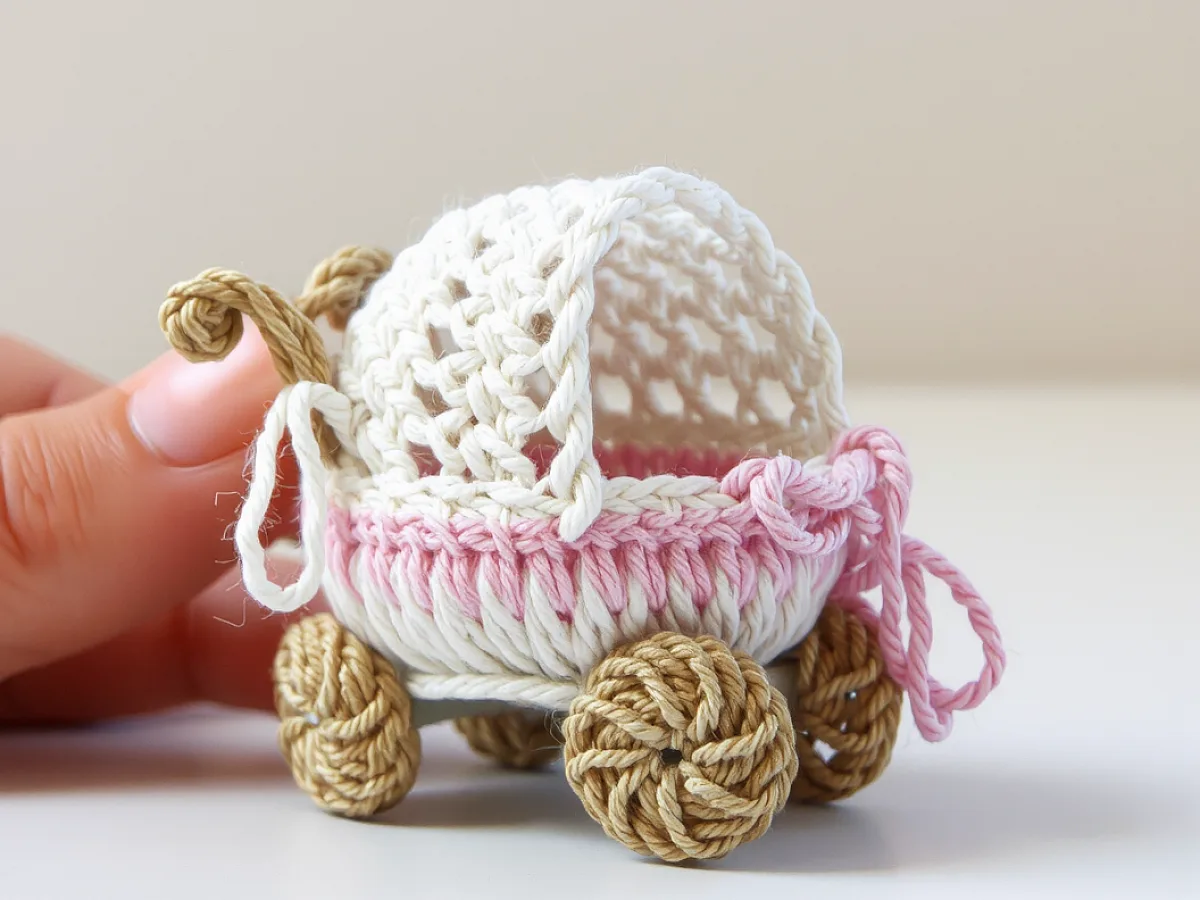
Miniature crochet art uses fine thread and tiny hooks to create delicate pieces under 3 inches tall. You'll need steady hands, good light, and patience—but the results are magical.
What you need
Crochet thread
Size 10 or 20 cotton, about $3 per ball. Thinner than regular yarn.
Steel hooks
0.6mm to 1.25mm. Look for ones with ergonomic handles.
Magnifier
Clip-on lens or bright task lamp. Helps prevent eye strain.
What you'll need
Miniature crochet shifts the usual supplies down a few sizes. The right tools prevent frustration.
- Thread: Size 10 or 20 crochet cotton (one ball makes dozens of miniatures)
- Hook: Steel hooks size 0.6mm to 1.25mm (the smaller the number, the tinier the hook)
- Magnifier: A clip-on lens or bright lamp helps see the stitches
- Needle: Sharp embroidery needle for weaving ends
Speed hack: Wax your thread with beeswax to reduce tangling.
Starting your first miniature
Begin with something flat and simple—a tiny flower or square coaster. Round shapes hide tension issues.
Chain 4, slip stitch to form a ring. Work 6 single crochet into the ring. Keep your yarn tension firm but not tight.
If your hook keeps slipping out, wrap a rubber band around the handle for grip.
Troubleshooting tiny stitches
Miniature crochet magnifies every error. A loose stitch here looks like a hole. A tight one puckers the whole piece.
Stop every few rounds to check your work under bright light. Fix mistakes immediately—they’re harder to undo later.
Adding details
Sew beads on with embroidery floss for doorknobs or eyes. Use wire wrapped in thread for chair legs.
For lace effects, skip every other stitch in the final round.
Step
Choose your pattern
Start with something that has fewer than 20 stitches per round. Tiny amigurumi or flat motifs work best.
Adjust your grip
Hold the hook like a pencil, not a knife. This gives more control for small movements.
Work under light
Position your lamp so it shines directly on your hands, not from the side.
Count every stitch
Use a row counter or make tally marks on paper. It’s easy to lose track with tiny loops.
Block when done
Pin the piece to foam board and steam lightly. Miniatures benefit from sharp edges.
Ways to change it
Dollhouse accessories
Scale down real furniture patterns by using thinner thread and fewer stitches.
Jewelry
Make micro flowers as earrings or pendants. Seal with fabric stiffener.
Holiday ornaments
Tiny stockings or snowflakes charm as tree decorations or gift tags.
The short version
- Use crochet thread and steel hooks under 1.5mm.
- Keep tension even—miniatures show every irregular stitch.
- Magnification helps prevent mistakes and eye strain.
- Blocking gives crisp edges to small pieces.
- Start with flat patterns before attempting 3D shapes.
Questions people ask
Can I use regular yarn for miniatures?
No—even lace weight yarn is too thick. Cotton thread creates the right scale.
How do I avoid losing stitches?
Mark the first stitch of each round with a safety pin or contrasting thread.
What if my hands cramp?
Take breaks every 15 minutes. Hand exercises help—make fists, then spread fingers wide.
Try your first miniature today
Miniature crochet proves that good things come in small packages. Keep it quick and cute!