Crochet Tips for Design Inspiration: How to Turn Color, Texture and Shape into Your Own Squares
Build a square from a photo, a skein or a mood, then check it before you commit.
A single skein of variegated yarn can give you six different color changes in one row, and that is often where a new square design starts.
Most crocheters do not run out of patterns. They run out of ideas that feel like their own. The fix is not more scrolling. It is a small, repeatable way to pull an idea out of what is already in front of you.
This guide walks through where square ideas come from, how to test one in about twenty minutes, and how to keep a design notebook that actually gets used. Every step uses yarn you can substitute, and every measurement is given in both metric and US terms.
Design inspiration for crochet usually comes from three places: a color you already own, a shape you keep noticing, or a texture you want to touch. Pick one source, limit yourself to three yarn colors and one hook size, and make a 10 cm practice square before you plan a whole blanket.
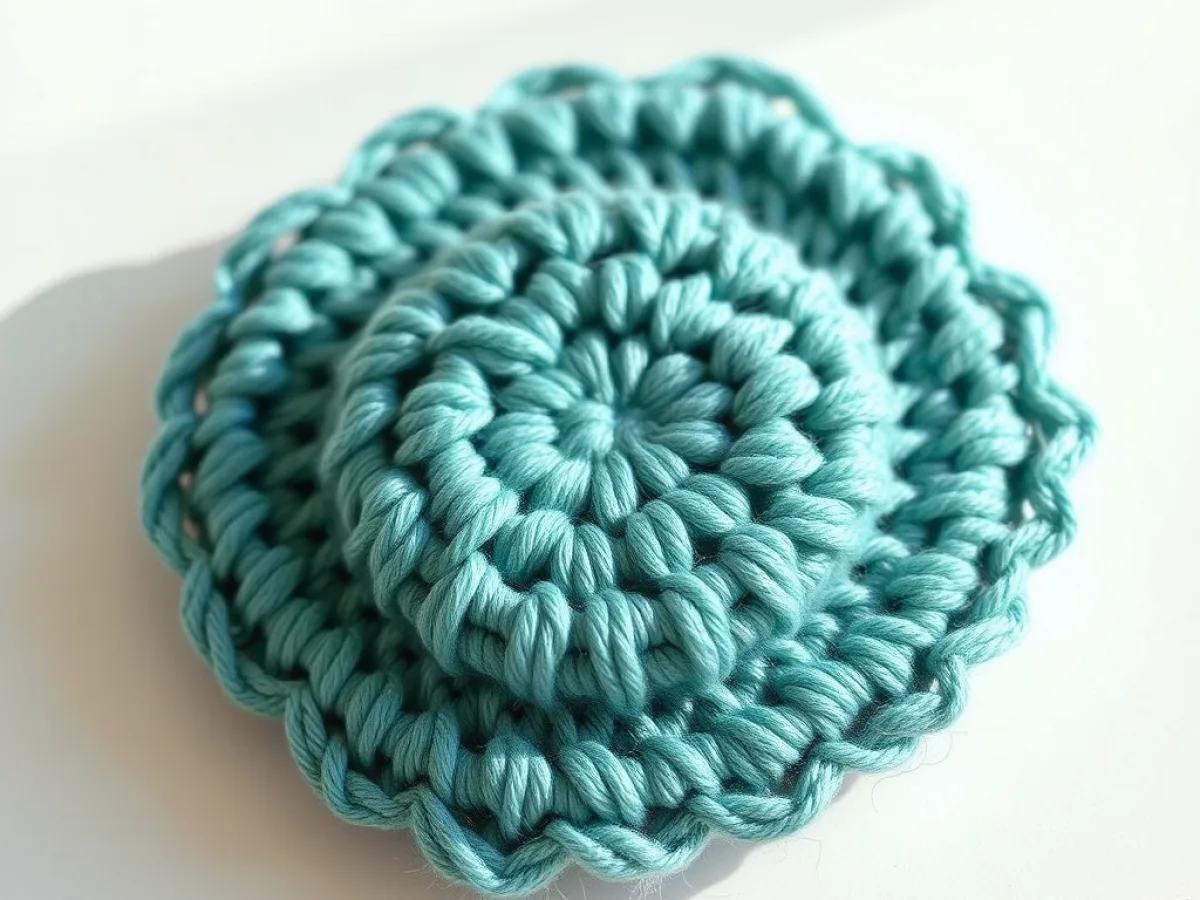
What you need
Worsted weight yarn (category 4)
One skein in each of three colors is enough for several 10 cm test squares. DK weight (category 3) works too; just go down one hook size.
Crochet hook, 5.0 mm (US H-8)
Use 4.0 mm (US G-6) for DK weight. If your squares curl, try 5.5 mm (US I-9) for the border round.
Tapestry needle
A blunt tip needle with an eye wide enough for worsted weight. Used for weaving in ends and whip stitch joins.
Stitch markers
Four markers, one for each corner. They keep the increase points from drifting round to round.
Notebook and pen
Any small notebook. Write yarn name, hook size and finished measurement for each test square.
Start with one source, not five
Choose one input before you pick up the hook: a photo, a skein, a piece of clothing, or a stitch you saw. One input keeps the square from turning into a muddle. If you choose a photo, pull three colors from it, not seven. If you choose a skein, let the yarn's own color changes set the row height.
A common mistake is copying a whole mood board at once. That gives you a square with too many ideas and no clear center. Limit yourself to one focal color, one neutral, and one accent. Write those three names on a sticky note and keep it beside you.
If you only have one color, use texture instead. Alternate front post and back post stitches every other row to create shadow without changing yarn.
Turn a photo into a crochet square
Squint at the photo until it becomes four or five blocks of color. Those blocks are your rounds. A sunset photo might become a deep orange center, a pink middle round, and a soft grey border. Sketch it as four squares on paper before you crochet.
Match each block to a yarn weight. For a 10 cm square, worsted weight (category 4) with a 5.0 mm hook gives about 16 single crochet stitches across. DK weight (category 3) with a 4.0 mm hook gives about 20. The gauge matters because a square that comes out 8 cm will not join neatly to a 10 cm one.
If your square curls at the corners, go up one hook size for the last round only. Curling usually means the border is tighter than the center.
Build a square from the center out
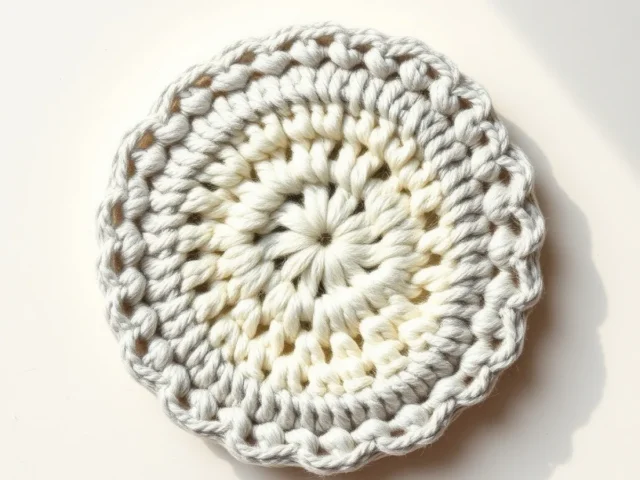
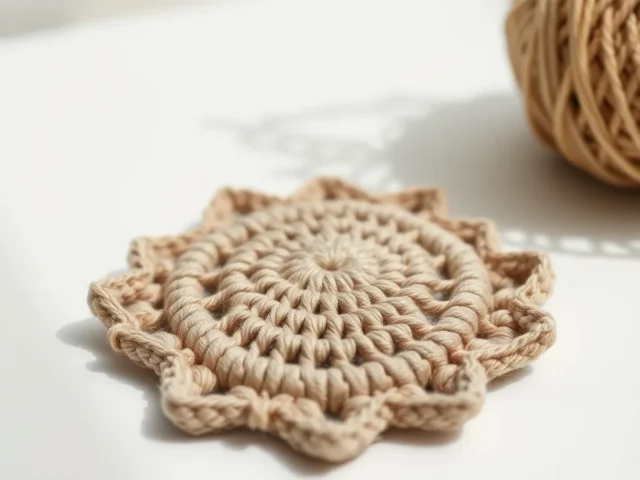
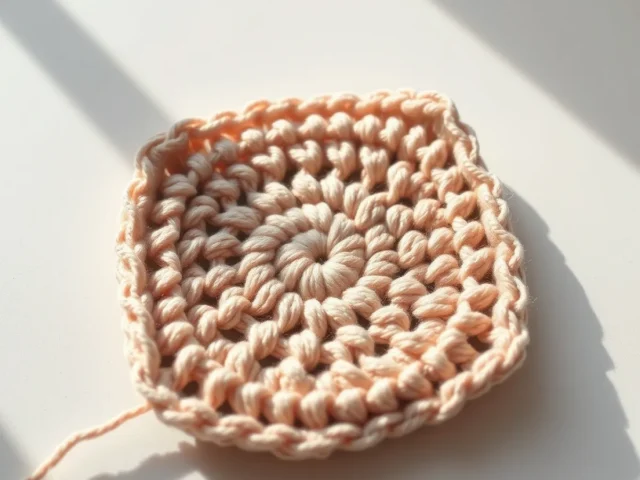
A center-out square is the easiest shape to design because you can stop at any round. Start with a magic ring, work 8 single crochet into it, and join with a slip stitch. Round two doubles to 16 stitches. Round three adds 8 more. That steady increase keeps the square flat.
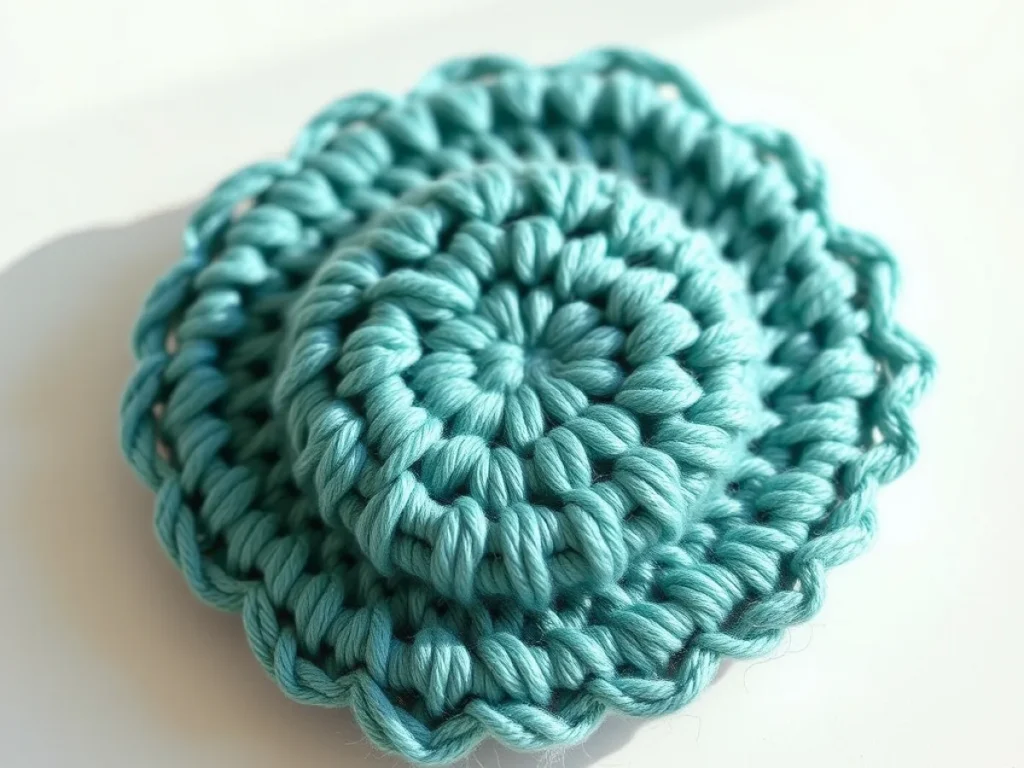
If the square ruffles, you added too many stitches. If it cups upward, you added too few. Both are fixable without starting over. Undo the last round and adjust by two stitches in either direction.
- Magic ring or chain 4 and join: both work, the ring hides the hole better
- Chain 1 at the start of each round does not count as a stitch unless your pattern says so
- Join each round in the first stitch, not the chain, to avoid a visible seam
Test the idea in twenty minutes
Make one 10 cm square before you commit to a blanket. Twenty minutes of crochet tells you more than an hour of planning. Check three things: does the color combination still please you after ten rows, does the square lie flat, and does the yarn feel good against your fingers.
If two of the three pass, keep going. If the color disappoints you, change the accent only. If the square will not lie flat, change the hook size before you change the pattern.
Photograph the test square in daylight, not under a lamp. Indoor light shifts warm colors and makes mustard look brown.
Keep a design notebook that gets used
Write three lines per square: the yarn brand and color name, the hook size, and the finished measurement. Add a small yarn tail taped to the page. In six months, the tail tells you more than the words.
Note what went wrong too. 'Corners curled, went up to 5.5 mm' is more useful than 'nice square'. The next time you pick up that yarn, the note saves you twenty minutes.
Joining squares without losing the design
Join with the same yarn weight you used for the squares. A thinner joining yarn pulls the seams in and makes the whole piece pucker. Single crochet join gives a raised ridge; slip stitch join lies flat; whip stitch is the least visible.
Work the join from the wrong side if you want the ridge hidden. Work from the right side if the ridge is part of the design. Either way, keep the joining tension slightly looser than the square tension, about one hook size up.
If your seams wave, your joining chain is too tight. Go up one hook size for the join only.
Step
Pick one source
Choose a photo, a skein or a stitch. Pull three colors from it and write them down. You should be able to name the focal color in one word.
Sketch four blocks
Draw four squares on paper, one for each round. Label each with a color. If you cannot fill four blocks, your source is too vague.
Make the center ring
Work 8 single crochet into a magic ring and join. The ring should close with a gentle pull, not a hard tug.
Work rounds two and three
Double to 16 stitches, then add 8 more. Lay the square on a table after each round. It should lie flat without help.
Check the measurement
Measure across the middle. At 10 cm, stop. If it is 8 cm, add one more round. If it is 12 cm, your hook is too big.
Write the note
Record yarn, hook and size. Tape a yarn tail to the page. Note any curling or cupping and what you changed.
Ways to change it
Single color, heavy texture
Use one yarn and alternate front post and back post double crochet. Good for variegated yarn you do not want to fight.
Scrap yarn square
Change color every round. Keep all scraps the same weight or the square will not lie flat.
Lace weight version
Use 2.5 mm hook and lace weight yarn for a 6 cm square. Good for a light summer blanket.
Chunky version
Use 8.0 mm hook and bulky weight yarn for a 15 cm square. Fewer squares, faster finish.
Seasonal palette
Swap the three colors for autumn rust, cream and moss, or spring lilac, white and pale green. Same pattern, different mood.
The short version
- One source, three colors and one hook size keeps a square design from turning muddy.
- A 10 cm worsted weight square takes about 20 minutes and tells you whether the idea works.
- If the square ruffles, you added too many stitches; if it cups, you added too few.
- Gauge matters most when you join squares; an 8 cm square will not sit next to a 10 cm one.
- A yarn tail taped in a notebook is more useful than a written color name.
- Joining yarn should match the square weight, and the joining hook should be one size up.
Questions people ask
How do I stop my crochet squares from curling at the corners?
Curling usually means the border round is tighter than the center. Go up one hook size for the last round only. If that does not fix it, add two stitches at each corner.
What hook size should I use for a 10 cm square?
For worsted weight (category 4), use a 5.0 mm hook and aim for 16 single crochet across. For DK weight (category 3), use a 4.0 mm hook and aim for 20 stitches across.
Can I mix yarn weights in one square?
You can, but the square will not lie flat unless you adjust the stitch count for each weight. It is easier to keep all yarns the same weight and change color instead.
How many squares do I need for a blanket?
A throw of 120 cm by 150 cm needs 180 squares at 10 cm each. Add 10 percent for joining and edge trimming. Make one test square first and measure it.
Pick one color from your stash and make a 10 cm square today.
Design inspiration for crochet does not need a new pattern. It needs one source, three colors and twenty minutes. Make the square, measure it, write the note, and you will know whether the idea is worth a blanket. Stitch with ease.