Wearable Crochet Patterns: Graphic Design Inspiration for Wearable Art
Turn graphic design ideas into wearable crochet pieces you can actually make.
The best wearable crochet patterns often start as graphic design on paper, not yarn.
Think about a sweater you love. The stripes hit at the right place. The colors don't fight each other. That is graphic design doing its quiet work.
You do not need a design degree to use those ideas. You only need to see your garment as a grid of stitches and plan where each color goes before you pick up a hook.
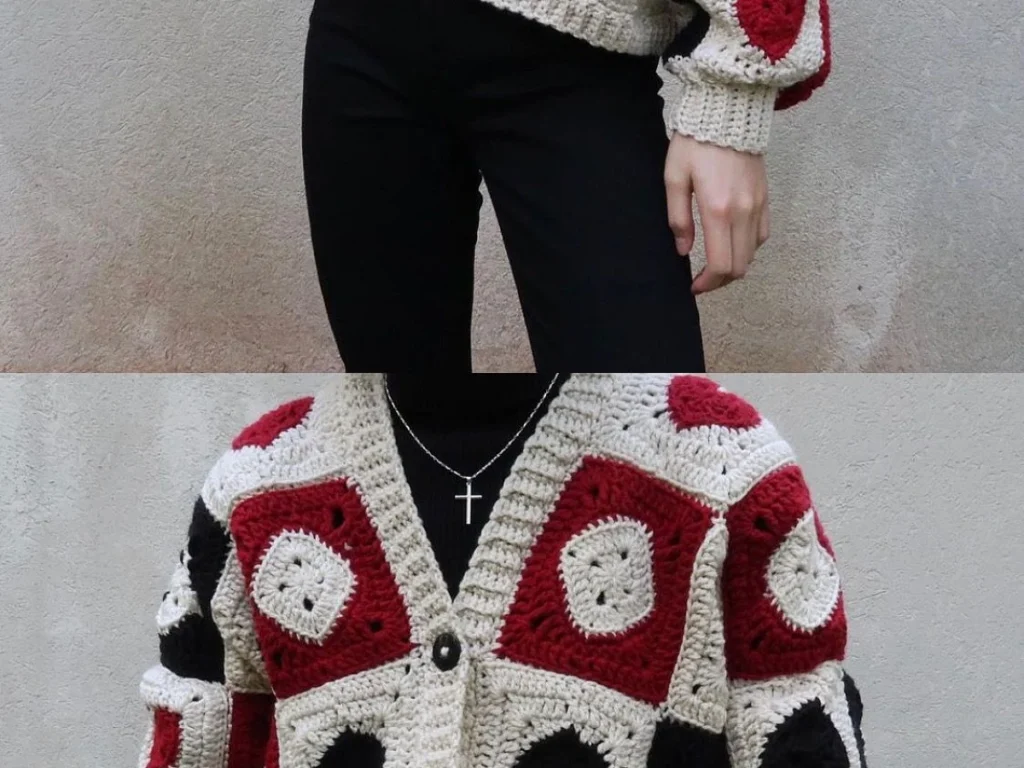
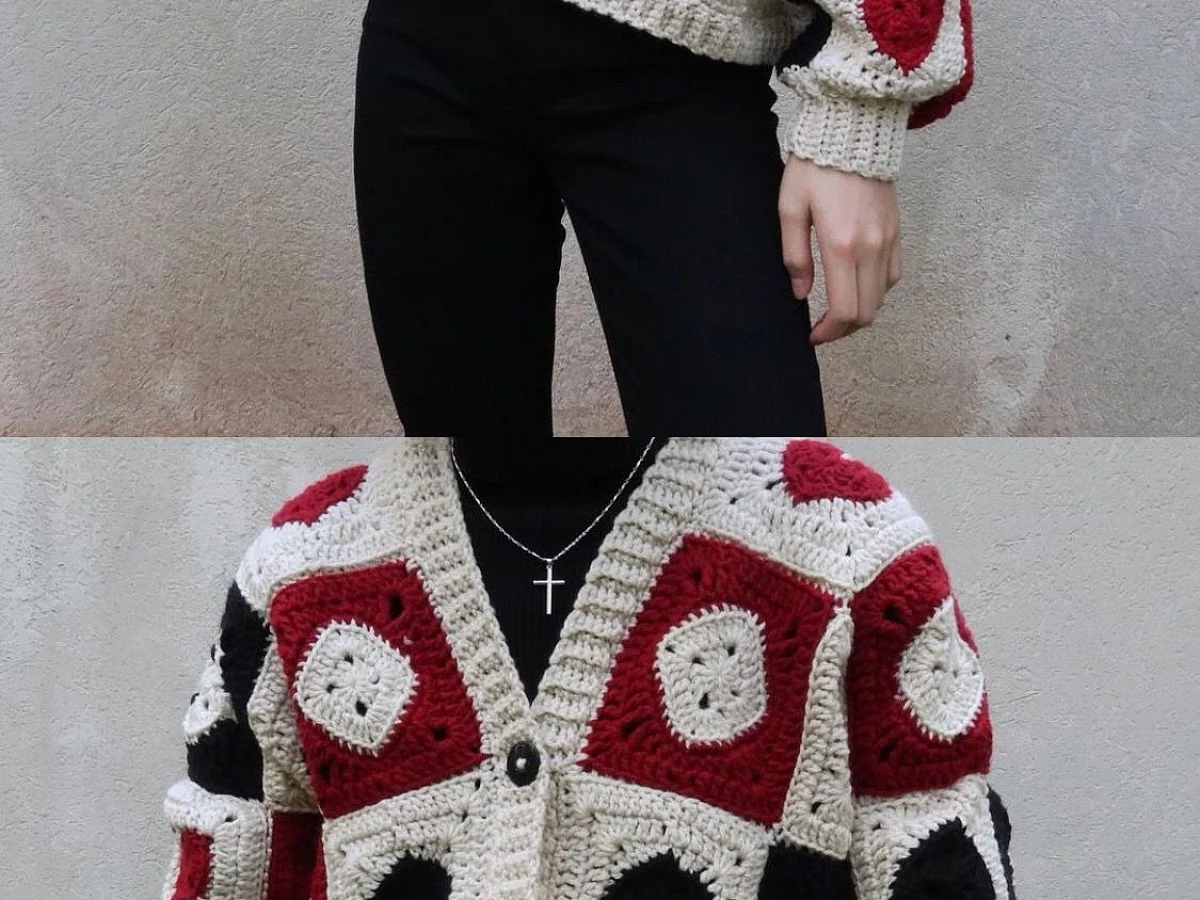
Graphic design principles like color blocking, geometric shapes, and negative space translate directly into crochet. You can use them to plan garments that look intentional and modern, even with simple stitches.
What you need
Yarn
Choose a smooth, medium-weight yarn in two or three contrasting colors. Acrylic or cotton is easy to work with and shows stitches clearly.
Crochet hook
Use the size recommended on the yarn label, usually 5.0 mm for worsted weight. Check your gauge first.
Graph paper or crochet chart
Print a sheet of graph paper or use a crochet chart app. Each square represents one stitch.
Stitch markers
You will need several to mark color changes and important points.
Scissors and yarn needle
For weaving in ends and finishing your piece neatly.
Why graphic design matters in crochet
A crochet garment is just rows of stitches. Each stitch is a tiny square or rectangle. Put them together, and they make a picture you wear.
When you plan that picture first, you avoid the muddle of random stripes. You also get a piece that looks deliberate, like something from a store, not a happy accident.
The same rules that make a poster easy to read make a sweater easy to look at. Contrast, repetition, and balance work in yarn just as they do on a screen.
Start with a simple shape, like a rectangular shawl or a top-down yoke. The flat canvas makes the design easier to see.
Start with a sketch, not a stitch
Before you chain, draw your idea. Use graph paper or a crochet chart. Each square on the paper is one stitch.
For a top-down yoke, you might sketch the color pattern that will radiate from the neck. For a scarf, you might plan a bold geometric band in the middle.
This sketch is your map. It shows you where to change colors, and it catches problems before you have spent hours crocheting the wrong thing.
Use a pencil. You will erase more than you think.
Pick a palette that works in yarn
Graphic design relies on contrast. In crochet, that means choosing yarns that are different enough in tone, not just hue.
A navy and a black might look distinct in the skein, but in a finished piece they can blur together. Hold your yarns side by side. If you squint and they merge, pick a lighter or darker one.
Also think about the weight. A bulky yarn makes a bolder statement than a fine yarn. The same graphic pattern will look different in each.
A simple test: take a photo of your yarns in black and white. If they still look different, you have contrast.
Translate your sketch into a pattern
Once your sketch is set, count the stitches across each row. Write down where each color change happens.
For a flat piece, you can work from a chart row by row. For a piece in the round, you will need to plan repeats that divide evenly into your stitch count.
Keep your notes simple. A list of color changes by row number is enough. You do not need a formal chart unless you plan to share the pattern.
Mark the center of your work. Graphic designs often look best when they are symmetrical, and the center is your anchor.
Choose stitches that let the design shine
Single crochet and half double crochet give you a dense, even fabric. That is ideal for colorwork because the stitches stay neat and the shapes stay crisp.
Taller stitches like double crochet stretch the design. A circle becomes an oval. That can be a happy surprise, or it can ruin your careful plan.
If you want a drapey garment, use a larger hook with a lighter yarn, but test a swatch first to see how the design holds.
For your first project, use single crochet. It is the easiest to count and the easiest to keep even.
Common mistakes and how to fix them
The biggest mistake is pulling the new color too tight at the join. That makes the fabric pucker. Leave a little slack, and block the piece at the end to even things out.
Another is losing count. When you change colors, you must still count every stitch. A missed stitch will throw off the whole pattern.
If you find a mistake a few rows down, do not panic. You can drop down to the error and fix it with a crochet hook, or you can frog the work and start again. Both are normal.
Use a stitch marker at every color change. It helps you see where you are and where you have been.
Step
Sketch your design
On graph paper, draw the shape of your garment and fill in the color pattern. Keep it simple: bold stripes, geometric blocks, or a repeating motif.
Choose your yarn and hook
Pick yarns with good contrast. Make a small swatch to check your gauge and see how the colors look together.
Calculate your stitch count
Based on your gauge and the size you want, figure out how many stitches to start with. Write down the number of rows for each color block.
Start crocheting
Follow your chart or written notes. Change colors at the right stitch, and do not forget to carry the unused yarn loosely along the back or cut and weave in ends.
Check your work as you go
After every few rows, hold the piece up and compare it to your sketch. Fix any obvious mistakes before they become too deep.
Finish and block
Weave in all ends. Block the piece to even out stitches and set the shape. Your graphic design is now wearable.
Ways to change it
Different silhouette
Try the same color pattern on a cardigan, a poncho, or a hat. The design adapts to the shape.
More colors
Add a third or fourth color for a more complex look, but keep the contrast strong.
Different stitch
Use half double crochet for a softer fabric, or try mosaic crochet for a modern geometric effect.
Yarn weight
Swap worsted weight for DK or bulky. Remember to adjust your hook and gauge.
Simple stripes
If you are new to this, start with horizontal stripes. They are the easiest way to practice color changes.
The short version
- Graphic design principles like contrast and repetition make crochet garments look intentional.
- Sketch your idea on graph paper before you start crocheting.
- Choose yarns that are different in tone, not just color.
- Single crochet is the best stitch for crisp colorwork.
- Count every stitch, even when changing colors.
- Blocking fixes puckered joins and uneven stitches.
- Start with a simple shape like a scarf or shawl.
Questions people ask
What is the easiest wearable crochet project for a beginner?
A simple scarf or a rectangular shawl in single crochet is the easiest. You can practice color changes without shaping.
How do I carry yarn when changing colors?
For stripes, you can carry the unused color loosely along the side. For larger blocks, cut the yarn and weave in ends later. Do not pull the carried yarn too tight.
Can I use a graphic design from the internet?
Yes, as long as you have permission or it is for personal use. Many graphic patterns are copyrighted, so create your own or use free sources.
What is the best yarn for colorwork?
A smooth, medium-weight yarn in a solid color works best. Variegated yarn can hide your design.
Pick up your hook and try a graphic design project
Start with a small piece, like a dishcloth or a scarf, and use a simple two-color pattern. You will learn how the design translates into stitches, and soon you will be sketching your own wearable art. Stitch with ease.