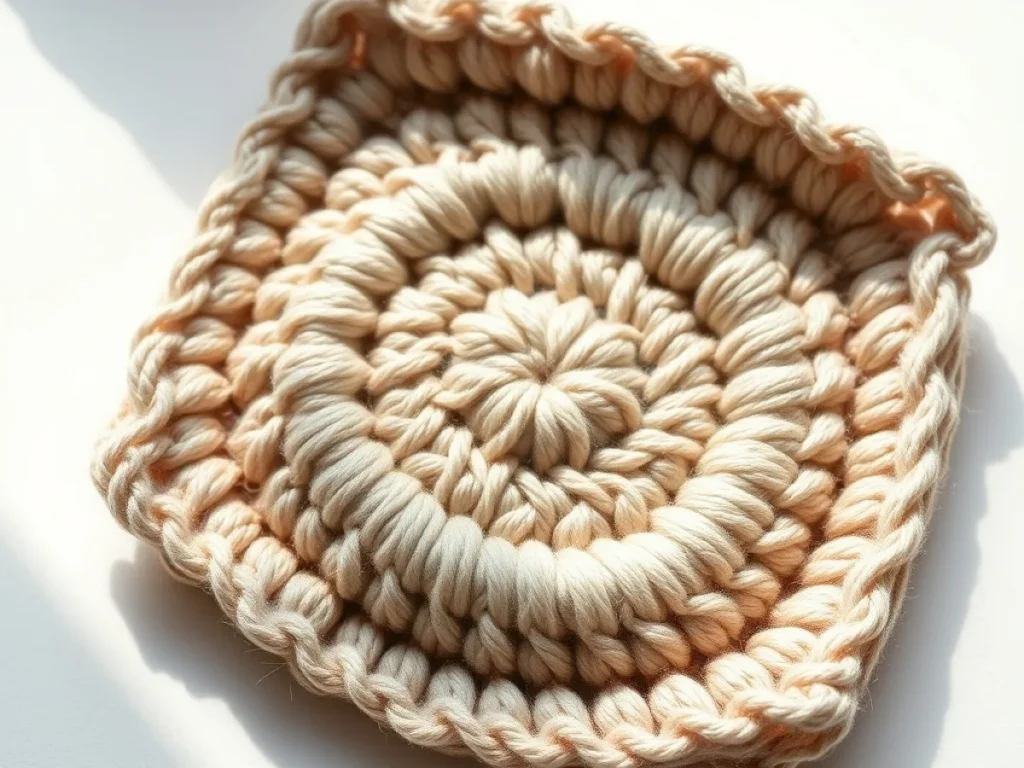
Wearable Crochet Patterns Design Inspiration
Find wearable crochet patterns you will actually finish and wear, with fit checks, yarn weights and stitch counts that matter.
A crochet jumper can take 800 metres of yarn and three weeks of evenings, so picking the right pattern before you start matters more than how fast you crochet.
You have seen the photos. A cropped cardigan in soft pink, a granny square vest, a lacy summer top. They look simple enough. Then you read the pattern and it calls for 4 mm hook, DK weight yarn, and a gauge of 20 stitches to 10 cm. That is where most people stop, because the numbers feel like homework.
They are not homework. They are the difference between a jumper that fits and one that hangs off your shoulders like a sack. This guide walks through the design choices behind wearable crochet patterns, with the yarn weights, hook sizes and stitch counts that actually change how a garment sits on a body.
Wearable crochet patterns are tops, cardigans, jumpers, vests and accessories you can put on and leave the house in. The design inspiration comes from three places: the shape you want, the yarn weight you already have, and the stitch pattern that suits both. Get those three lined up and the project works.
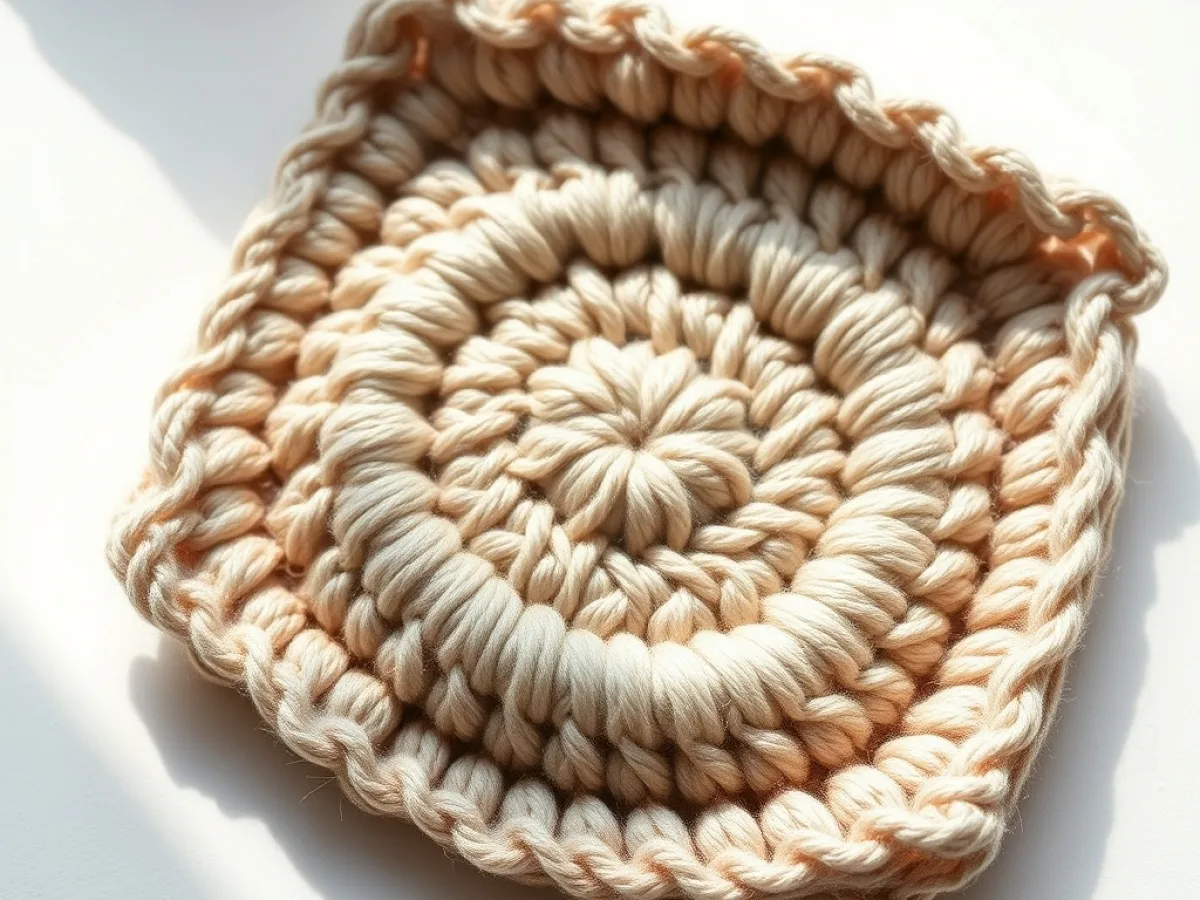
What you need
Yarn
Match the weight in the pattern. DK weight is the most common for wearables. Buy one extra ball for swatching and repairs.
Crochet hook
Start with the size listed in the pattern. Have one size up and one size down for gauge adjustments.
Stitch markers
Use them every 20 stitches and at the start of each round. Ten is usually enough for a garment.
Tape measure
A soft one, not a metal builder's tape. You need it for gauge and for measuring your body.
Scrap yarn
For holding sleeve stitches and for trying on. Smooth cotton is best because it does not tangle.
Start with the shape, not the stitch
A wearable pattern is a shape first. A boxy jumper, a raglan cardigan, a fitted vest. Each one needs a different amount of yarn and a different construction order. A boxy jumper in DK weight might use 1,200 metres for a medium. A fitted vest in the same yarn might use 600 metres. Same stitch, half the yarn, completely different look.
Pick the shape by asking what you will actually wear. If you live in jeans, a cropped boxy cardigan works. If you wear dresses, a longer vest with side slits sits better. The stitch pattern comes second. A simple half double crochet in a solid colour lets the shape do the talking. A lacy shell stitch needs a simpler shape or it looks busy.
- Boxy jumper: straight sides, drop shoulders, no shaping. Easiest to fit.
- Raglan cardigan: increases from the neck down. Fits shoulders well but needs accurate row gauge.
- Fitted vest: waist shaping and armhole decreases. Best in a yarn that holds its shape.
If you are between sizes, size up. Crochet fabric has less stretch than knit, so a tight garment stays tight.
Yarn weight and hook size change everything
A pattern written for worsted weight yarn on a 5 mm hook will not work in fingering weight on a 3 mm hook. The stitch count changes, the drape changes, and the finished size changes. If you substitute yarn, you must match the gauge, not the label.
Here is a rough guide. Fingering weight on a 3 to 3.5 mm hook gives a light, drapey fabric for summer tops. DK weight on a 4 to 4.5 mm hook gives a medium fabric for cardigans and jumpers. Worsted weight on a 5 to 5.5 mm hook gives a warm, thicker fabric for winter wear. Bulky weight on a 6.5 to 8 mm hook works up fast but can look stiff if the stitch is too dense.
If you cannot match the gauge, change your hook size, not your yarn. One hook size up or down usually fixes a half-stitch difference.
Gauge is not optional for wearables
Gauge is the number of stitches and rows in a 10 cm square. If your gauge is 18 stitches instead of 20, a 100 cm jumper becomes 110 cm. That is two sizes bigger. You will not notice until you try it on.
Make a swatch at least 15 cm by 15 cm. Measure the middle 10 cm, not the edges, because edge stitches pull in. Wash and block the swatch the way you will wash the finished garment. Cotton can shrink, acrylic can grow, wool can bloom. The blocked swatch tells you the truth.
Write your gauge on a sticky note and keep it with the pattern. If you put the project down for a month, you will not remember which hook you used.
Stitch patterns that work for wearables
Not every stitch pattern suits a garment. A dense stitch like single crochet makes a stiff fabric that stands away from the body. A lacy stitch like shell or mesh makes a fabric with holes that can stretch out of shape. The best wearable stitches sit in the middle: half double crochet, double crochet, moss stitch, and granny stitch.
Granny stitch is a good example. It works in rounds or rows, it is easy to count, and it has just enough texture to look interesting without being busy. A granny stitch cardigan in DK weight on a 4.5 mm hook is a common first wearable. The stitch count is usually a multiple of 3 plus 1, so you can adjust the width easily.
- Half double crochet: soft drape, good for jumpers. Multiple of any number.
- Moss stitch: tight, flat, good for vests. Multiple of 2 plus 1.
- Granny stitch: stretchy, textured, good for cardigans. Multiple of 3 plus 1.
Construction order and joining
Most wearable patterns are made in one of three ways: top down, bottom up, or in pieces and seamed. Top down lets you try the garment on as you go, which is why it is popular for cardigans. Bottom up is easier to keep straight but you cannot check the fit until the end. Pieces and seamed gives the most structure but takes longer.
Joining matters as much as the stitch. If you seam two pieces with a whipstitch, the seam is flat but visible. A mattress stitch gives a nearly invisible seam but takes longer. For crochet, a slip stitch seam is strong but adds bulk. Pick the seam that matches the look you want.
When working top down, put the sleeve stitches on scrap yarn and try the body on before you go further. It takes two minutes and saves hours.
Common mistakes and how to fix them
The most common mistake is skipping the swatch. The second is changing hook size halfway through because the fabric feels too tight. That changes the gauge and the garment will not match. The third is not counting stitches at the end of every row. One missed stitch per row adds up to a lopsided garment.
If your armholes are too tight, you can add a few stitches at the underarm on the next round. If the neckline is too wide, you can work a round of single crochet around it to pull it in. If the whole thing is too big, you can unravel from the bottom and rework it, but that is painful. Check as you go.
- Skipping the swatch: always make one, block it, measure it.
- Changing hook mid-project: finish with the hook you started with.
- Not counting: place a stitch marker every 20 stitches to keep track.
Where to find design inspiration
Look at clothes you already wear. The shape of your favourite cardigan is a pattern waiting to happen. Measure it flat: chest width, body length, sleeve length. Those three numbers tell you what to aim for.
Then look at stitch dictionaries. A stitch dictionary shows you what a stitch looks like in a swatch. Pick three stitches you like and imagine them in the shape you measured. That is how most wearable patterns get designed. It is not magic. It is measuring and swatching.
Take a photo of your favourite garment flat on the floor with a ruler next to it. You will refer to it more than any pattern.
Step
Measure yourself and your favourite garment
Write down chest, waist, hip, and the length you want. Measure a garment you already wear flat on the floor. You should have four numbers before you pick a pattern.
Pick a pattern that matches your numbers
Check the finished measurements in the pattern, not the size label. If the chest width is within 5 cm of your measurement, it will fit. If not, look for another pattern.
Swatch and block
Make a 15 cm square in the stitch pattern. Wash and dry it the way you will wash the garment. Measure the middle 10 cm. If the stitch count is off by more than one, change hook size and swatch again.
Work the body and check the fit
Follow the pattern until the body is long enough to try on. Put the sleeve stitches on scrap yarn. Try it on. If the chest is too tight, add stitches at the underarm on the next round.
Finish and block the garment
Weave in all ends before blocking. Block to the finished measurements, pinning the edges straight. Let it dry completely before you wear it. This is what makes the stitches even.
Ways to change it
Change the yarn weight
Use fingering weight for a lighter summer top. Use bulky weight for a quick winter jumper. Adjust hook size to match gauge.
Change the length
Add or remove rows before the armhole shaping. A cropped version uses less yarn and works up faster.
Change the neckline
Work a round of single crochet around the neck to tighten it. Skip the round to leave it wide.
Add pockets
Work two squares in the same stitch and seam them on after blocking. Good for cardigans and vests.
Use a solid colour instead of stripes
Solid colours show the stitch pattern better. Stripes hide mistakes but need more ends woven in.
The short version
- Gauge is the number one reason a crochet garment does not fit.
- DK weight yarn on a 4 to 4.5 mm hook is the most common combination for wearable patterns.
- A boxy jumper uses about twice as much yarn as a fitted vest in the same weight.
- Top-down construction lets you try the garment on before it is finished.
- Blocking the swatch and the finished garment gives you the true finished size.
- Counting stitches every row prevents lopsided armholes and necklines.
- The best design inspiration comes from measuring clothes you already wear.
Questions people ask
How much yarn do I need for a crochet jumper?
For a medium jumper in DK weight, plan on 1,000 to 1,200 metres. A cropped version uses about 800 metres. Bulky weight uses less length but more grams because the yarn is thicker. Always buy one extra ball.
Can I crochet a wearable as a beginner?
Yes, if you pick a simple shape. A boxy vest in half double crochet with no shaping is a good first wearable. Avoid raglan cardigans and fitted garments until you have made one or two simpler pieces.
What is the best stitch for a crochet cardigan?
Granny stitch and moss stitch are both good. Granny stitch is stretchy and textured. Moss stitch is flat and tight. Half double crochet also works well and has a soft drape.
Why does my crochet garment stretch out?
Cotton and acrylic can grow with wear and washing. Blocking the swatch tells you how much. If the yarn grows a lot, work a tighter gauge or add a ribbed border to hold the shape.
Pick a pattern, make a swatch, and start your first wearable
Wearable crochet patterns are not harder than blankets. They just ask you to measure first. Get your gauge right, pick a shape you will wear, and count your stitches. The rest is just time.